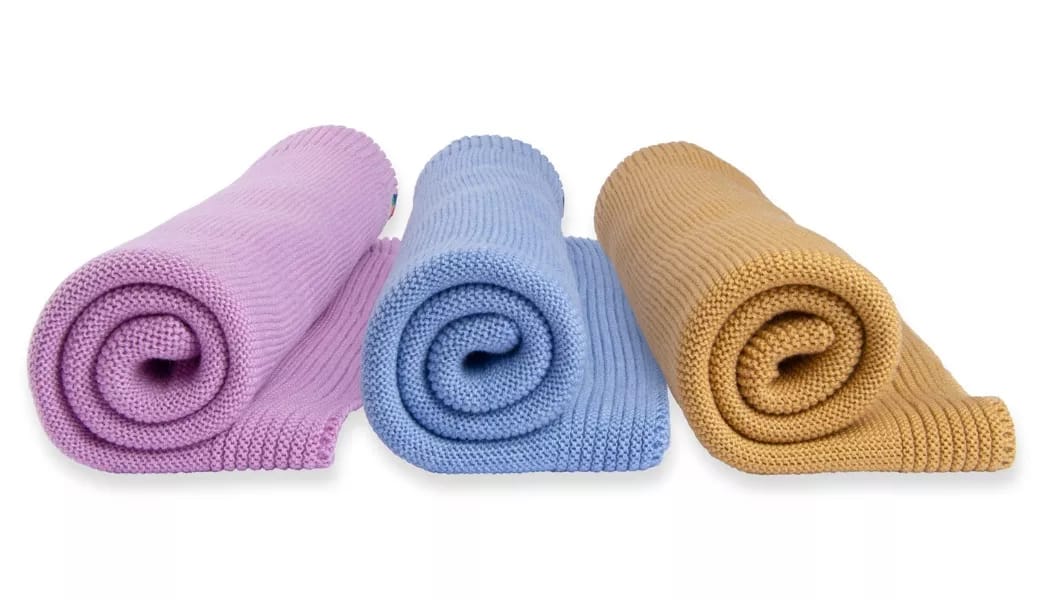
Merino wool - what is it?
What is merino wool? While searching for wool products, you have probably come across merino fabric. Clothing and accessories made from this wool are very popular, and merino wool and its properties have already won over many people. It is simply wool that comes from a special breed of sheep – merino sheep. Merino fabric is definitely worth getting to know.
Products made from merino sheep wool – why choose merino wool?
Merino sheep come from Asia. Today they are most commonly found in Australia. Bred in harsh mountainous conditions, in order to survive temperature differences from -30°C to +40°C, these sheep had to adapt to extreme conditions. They managed to do so thanks to the excellent properties of their wool. In the case of this material, the thickness of a single merino fibre is very small, they are very thin, and air spaces form between the fibres, which insulate against low and high temperatures. This allowed the animals to survive such varied weather conditions. Merino clothing, which makes use of these desirable properties, quickly gained recognition and became highly valued.
Merino wool properties – see why users have fallen in love with merino fabric
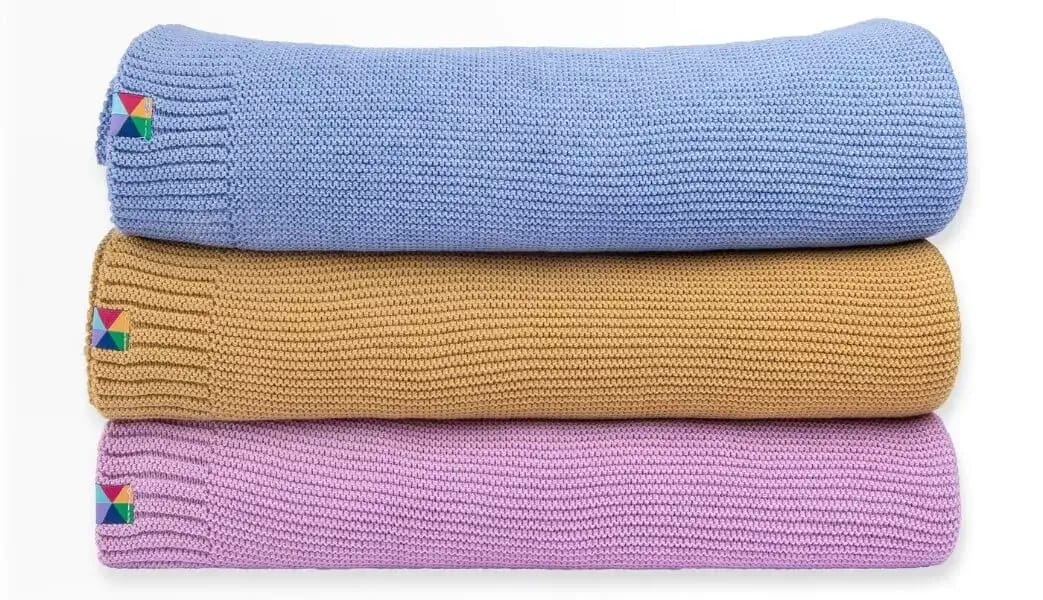
We are all familiar with wool clothes and accessories that we didn't like wearing because they were uncomfortable. Wool items scratched and caused discomfort. Merino wool clothing, although also made of wool, has different characteristics. It is worth learning about the advantages and disadvantages of merino wool and trying merino fabric yourself. People who have already done so wouldn't trade merino clothing for anything else. Among the properties of merino wool, it is worth highlighting:
- Soft and delicate fibres that are a pleasure to wear. Merino wool fibres can reach a thickness of 11–18 and 23–24.5 microns, depending on the type. They are therefore very delicate. The fibres are elastic, bending and yielding to pressure, unlike traditional wool, making them pleasant to the touch and not itchy or scratchy like well-known wool products.
- Merino wool is active, it is thermoregulating, which means it responds to changes in body temperature. When it's hot, it releases moisture and heat, and when it's cold, it maintains a higher temperature. The inner side of the wool fibres is hydrophilic, while the outer side is hydrophobic (repels water molecules), which means it releases moisture instead of retaining it. The core of a merino fibre can absorb moisture up to 35% of its own weight. The thermoregulating properties of merino wool make it an ideal choice when temperatures are changeable and overheating is easy.
- Hygiene and comfort of use - the absorption and evaporation of moisture helps maintain a healthy and safe environment, does not create conditions for bacteria to develop, which means merino clothing does not require frequent washing. Simply airing the product is enough to refresh it. Bacteria responsible for unpleasant odours thrive in a damp environment, but thanks to the properties of the wool, the material stays dry and bacteria have no way to multiply, ensuring hygiene.
- Merino wool is recommended for people with sensitive skin and allergy sufferers, as it does not attract dust. It does not generate static electricity.
- It is easy to keep merino clothing clean. The fibres have an outer layer with hydrophobic properties, which means dirt is absorbed more slowly and can be quickly removed, avoiding the need for washing. In practice, merino sheep's wool does not need to be washed as often.
- It doesn't wrinkle – it easily returns to its shape, so merino wool clothing is suitable for taking on trips.
The properties of merino wool mean that even people who did not like this material often become convinced and give it a chance. However, when considering the advantages and disadvantages of merino wool, it cannot be overlooked that merino wool usually has a higher price than the classic material. This is definitely its downside. However, merino wool combines so many advantages that this feature is not crucial.
Merino wool clothing for kids and adults – what can it be used for? Merino wool - applications

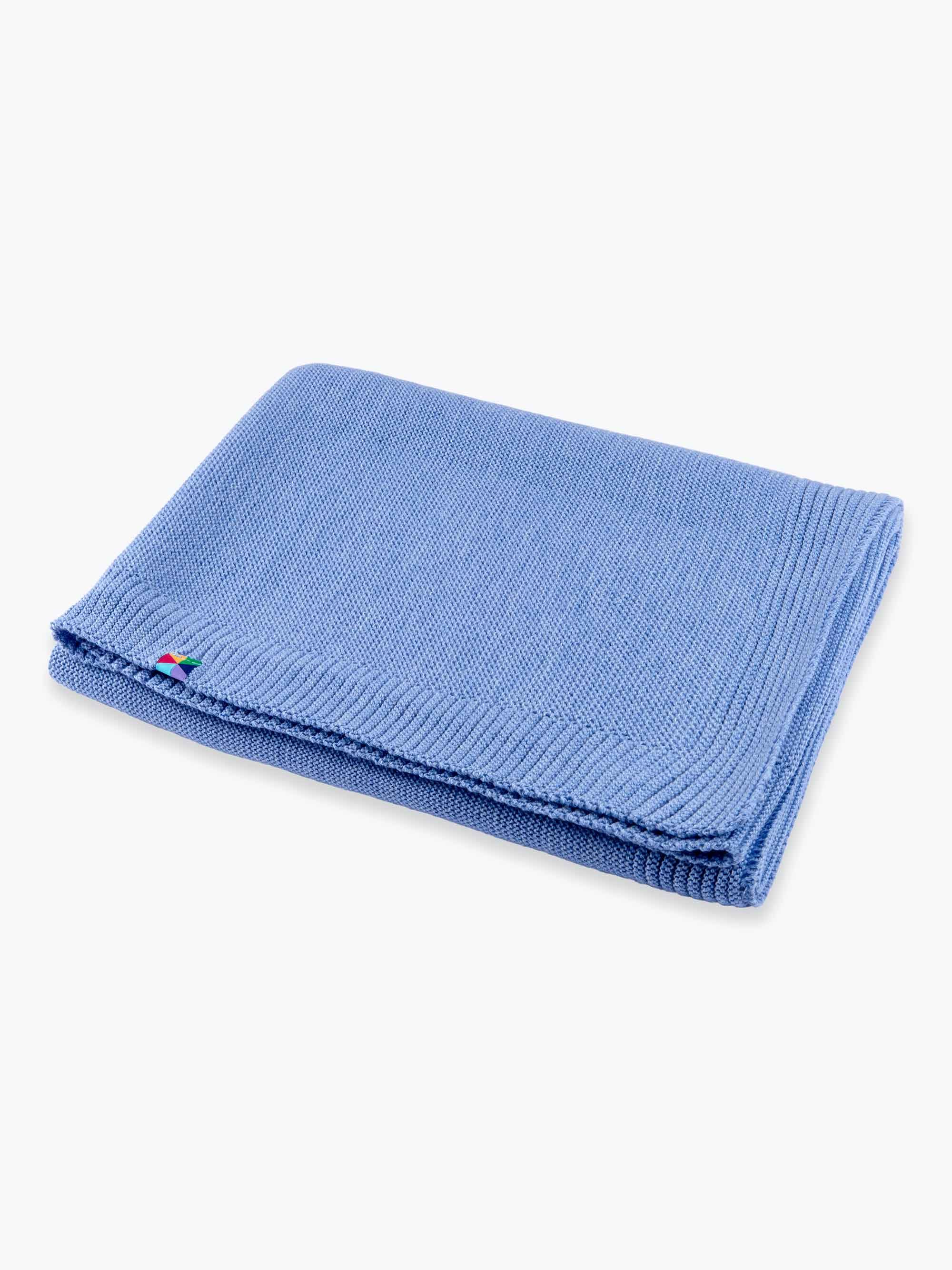
Thanks to its numerous advantages, merino wool is widely used in the clothing industry. It is used for thermoactive underwear, T-shirts, scarves, hats, socks, jumpers, and blankets. Merino clothing provides good breathability and also helps maintain optimal body temperature. This makes it suitable not only for everyday use, but also for outdoor and travel purposes. Merino wool clothing is perfect for wearing outdoors. Moreover, merino wool, being light and airy, is an excellent material for soft baby blankets - https://mybasic.eu/blekitny-kocyk-z-welny-merino-p-ni03536.html. The soft fabric will wrap your baby up and keep them warm. As you can see, merino wool has many different uses.
-v2.jpg)
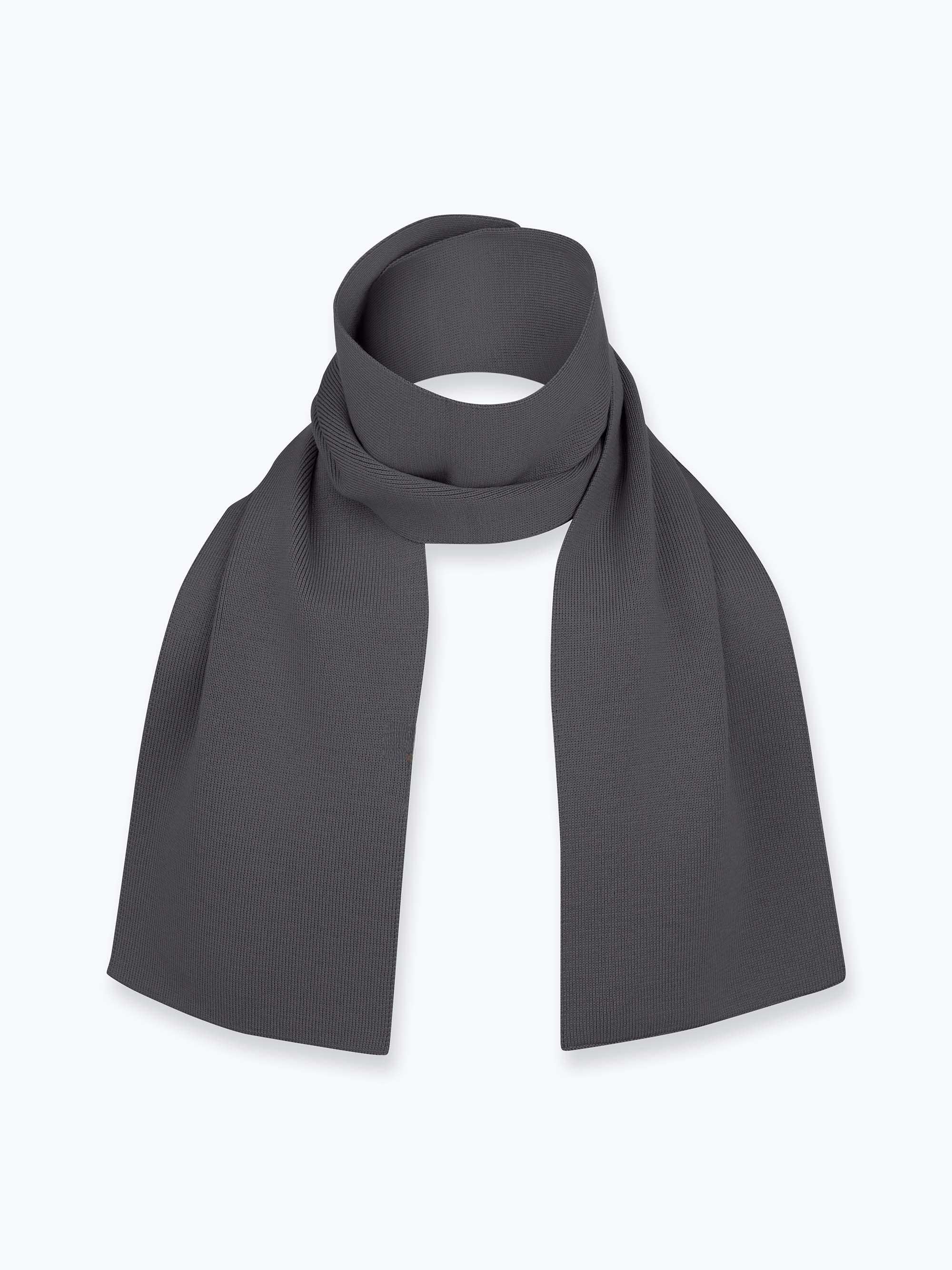

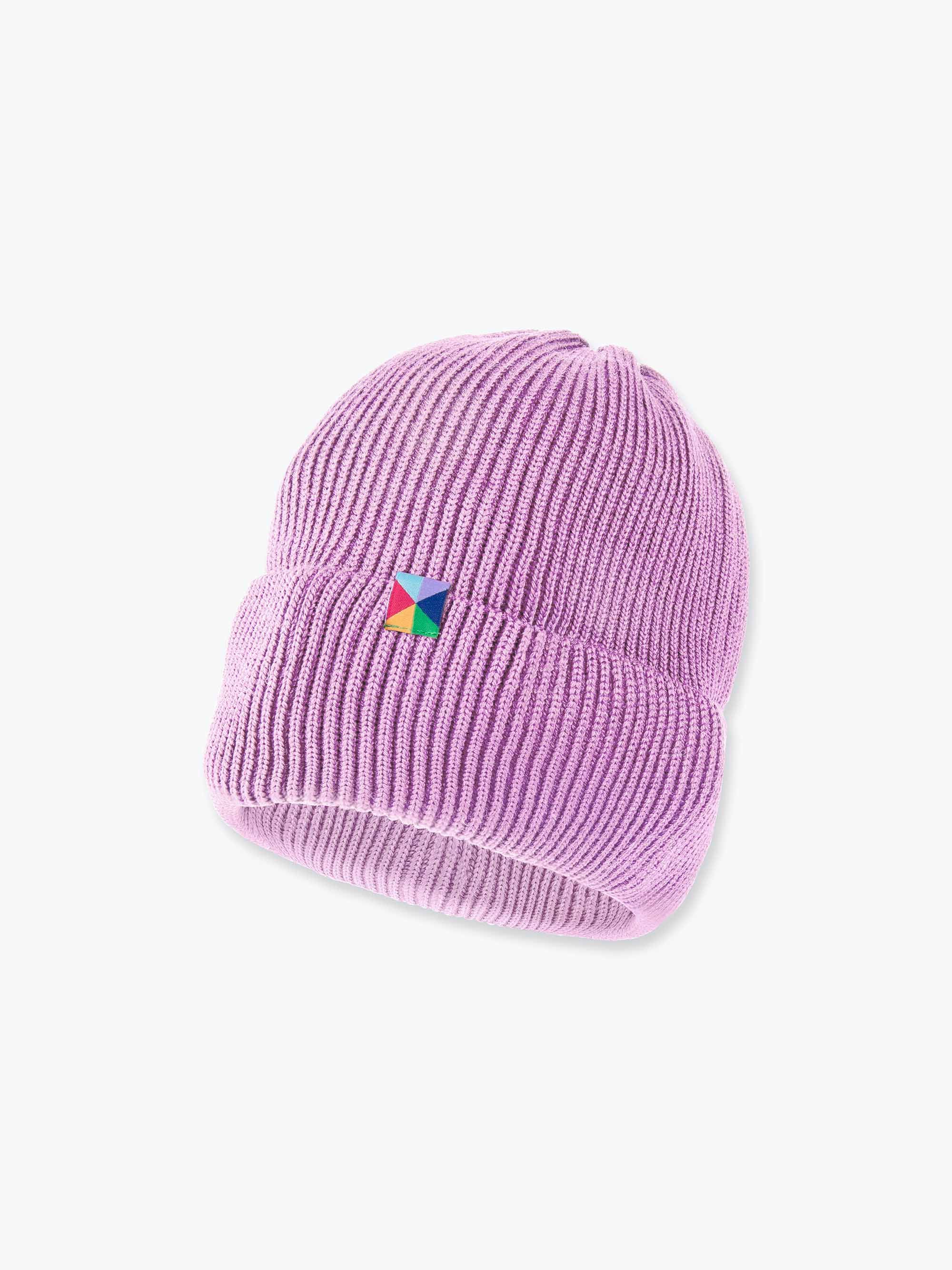
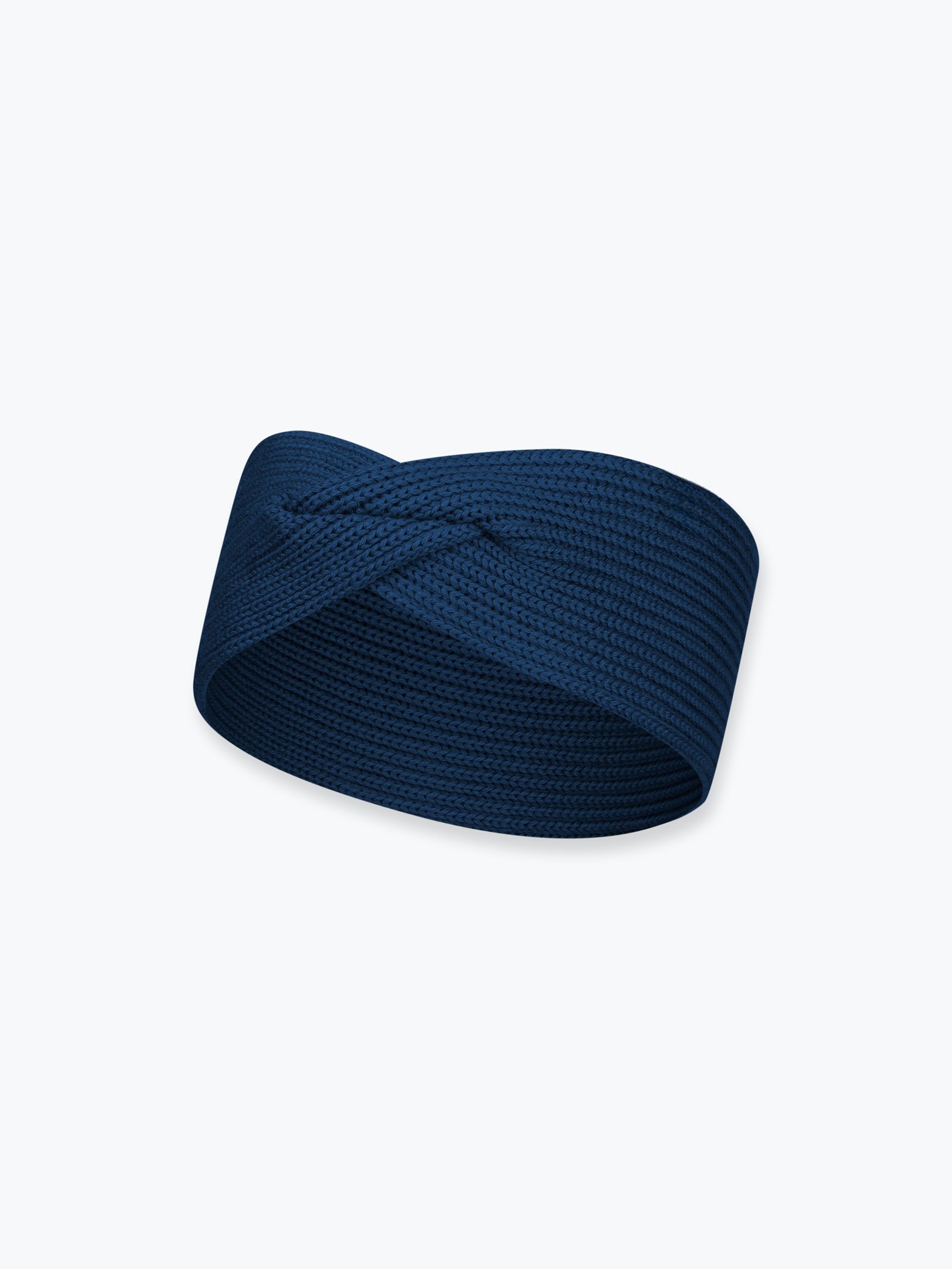
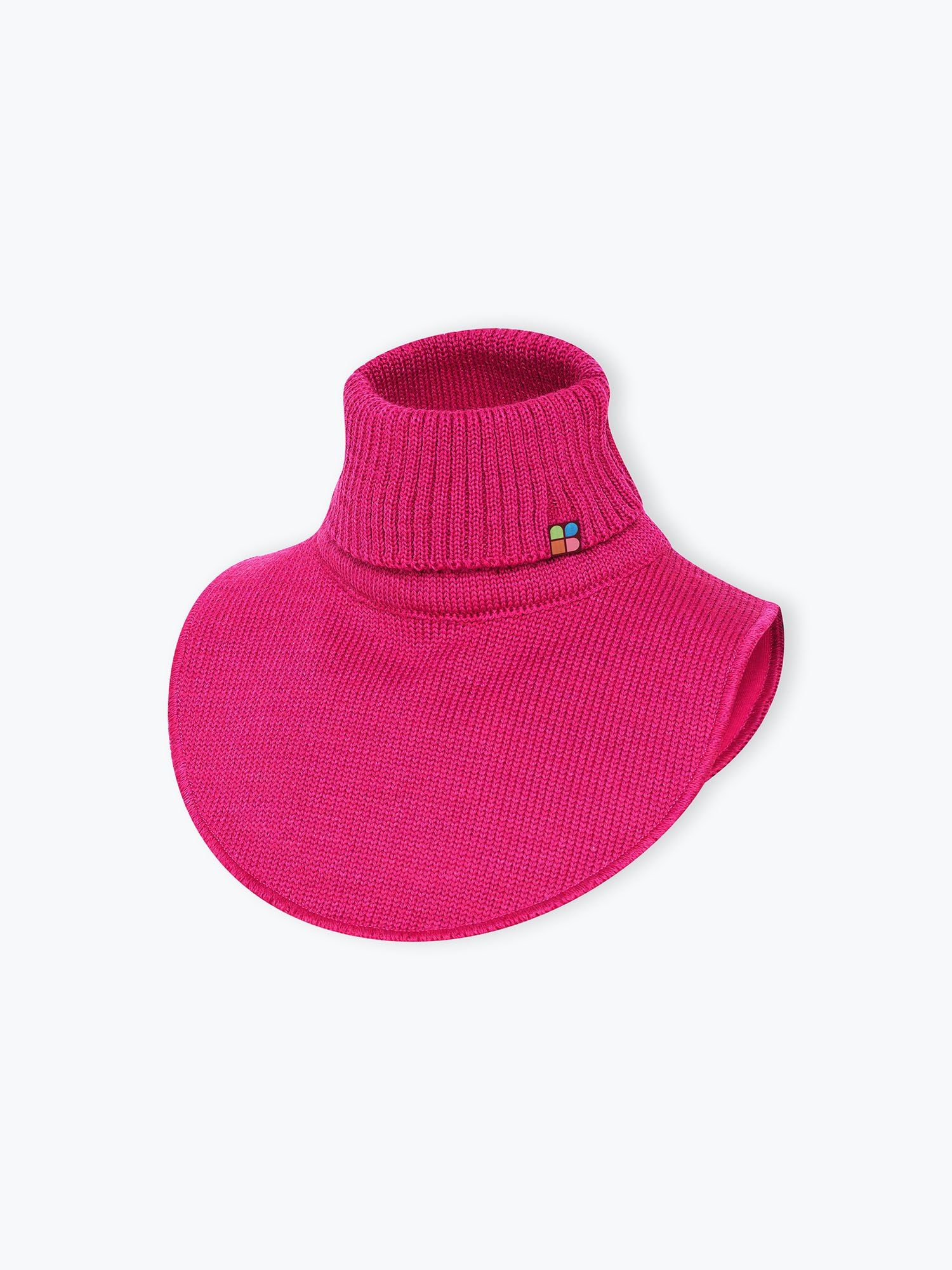
Does merino wool itch?
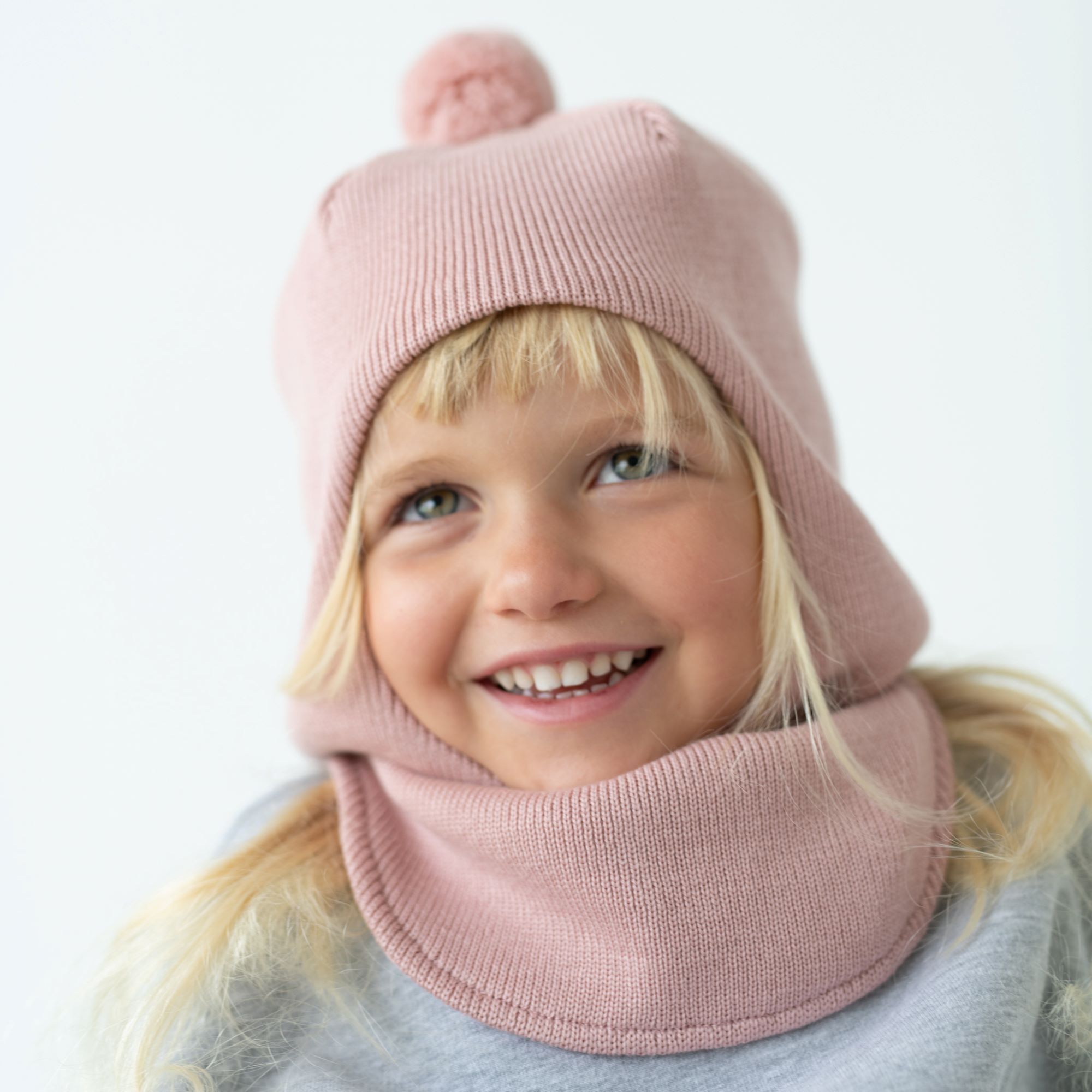
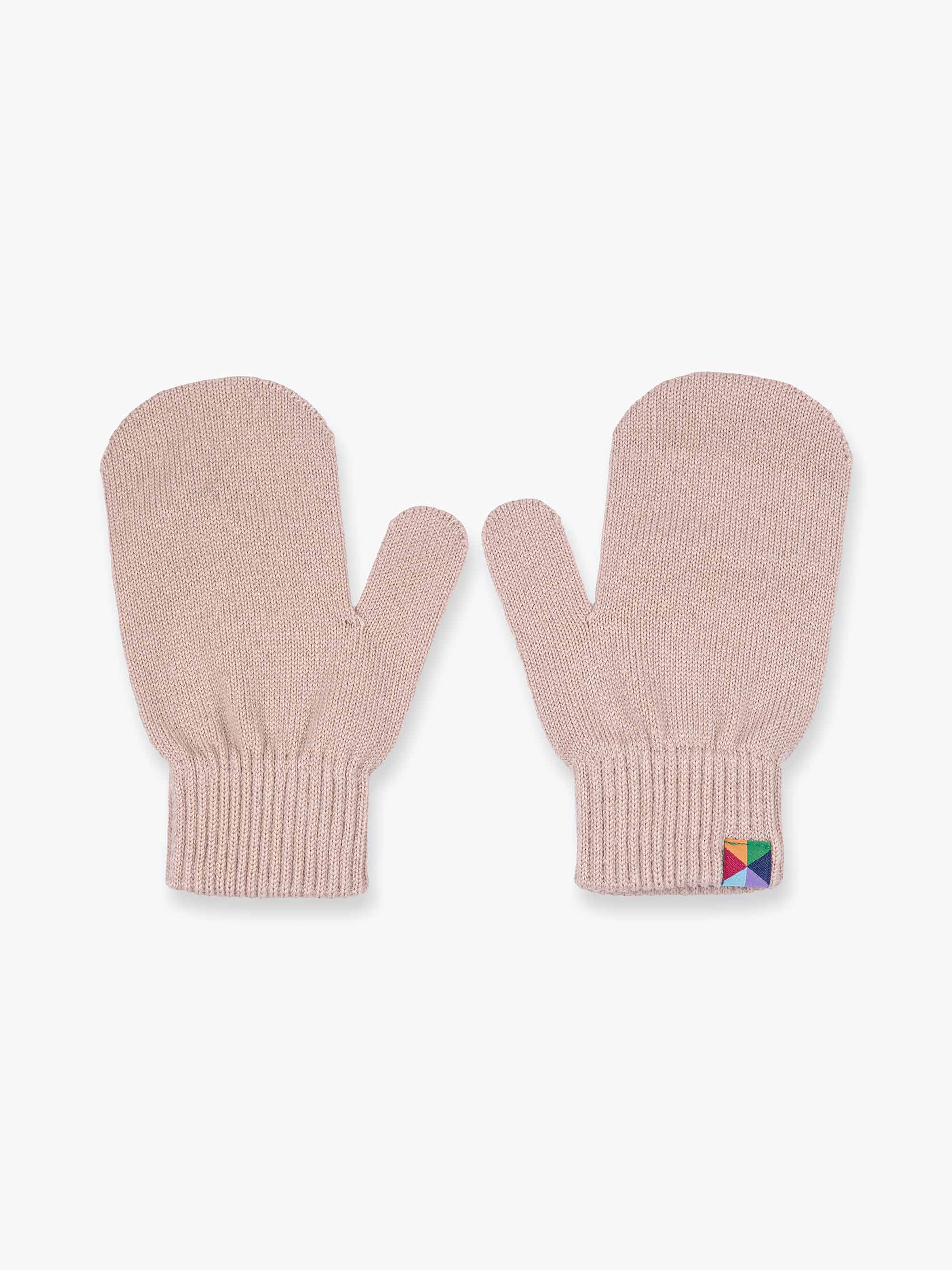
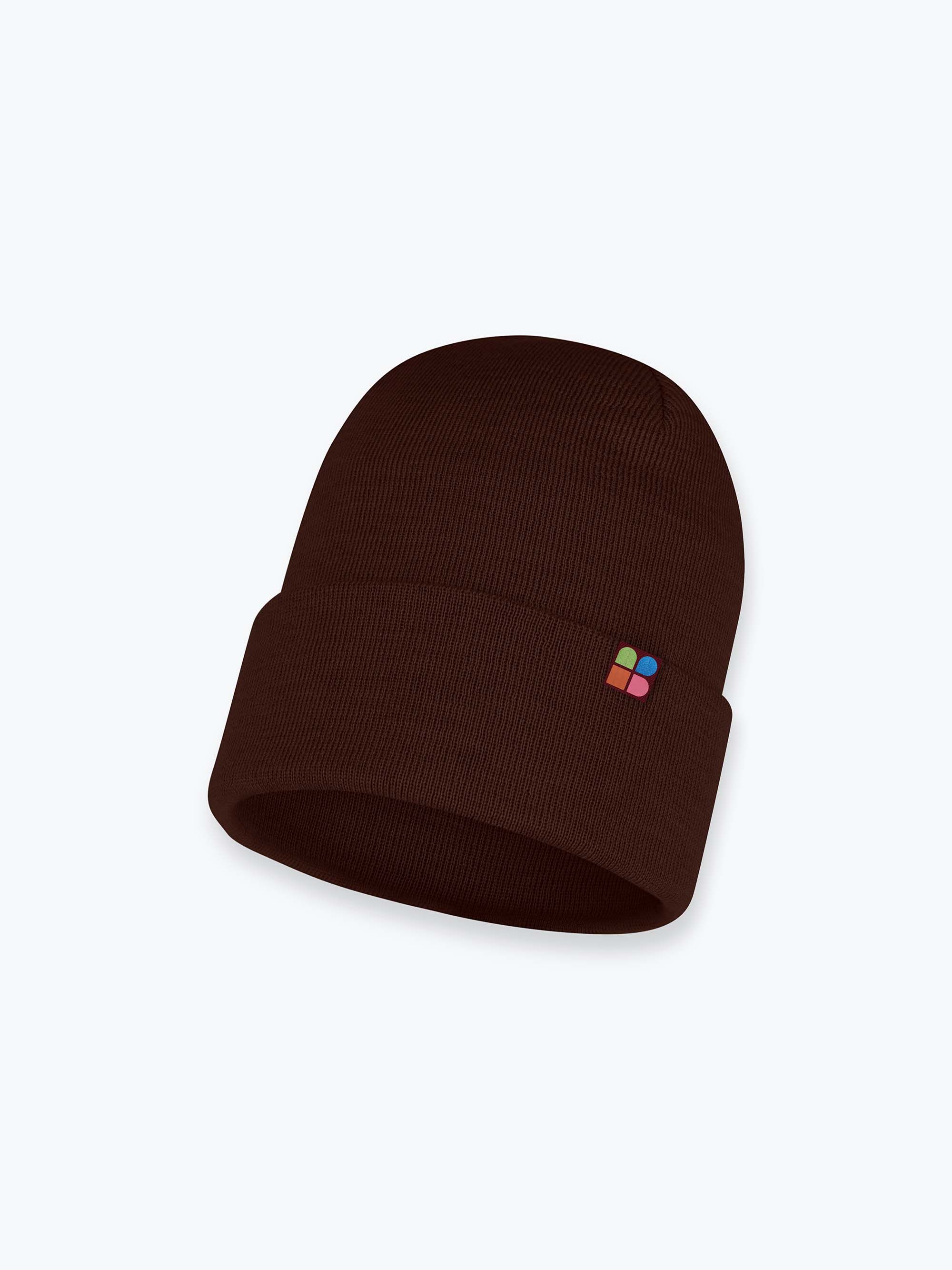
This is the main concern when choosing scarves, neck warmers and hats, especially those designed for children. The thermoregulating properties of merino wool, good breathability and resistance to soiling make merino wool fibres an excellent material for autumn and winter accessories. Burgundy wool neck warmer for children or light blue merino fibre hat for children are excellent examples of accessories that children have fallen in love with, and which become indispensable as the weather gets colder. What's more, with merino wool scarves, hats and similar accessories, there's no need to worry about children complaining that the fabric itches. Given the properties of merino wool, there's no need to worry about that.
Merino wool – check the composition and origin of products
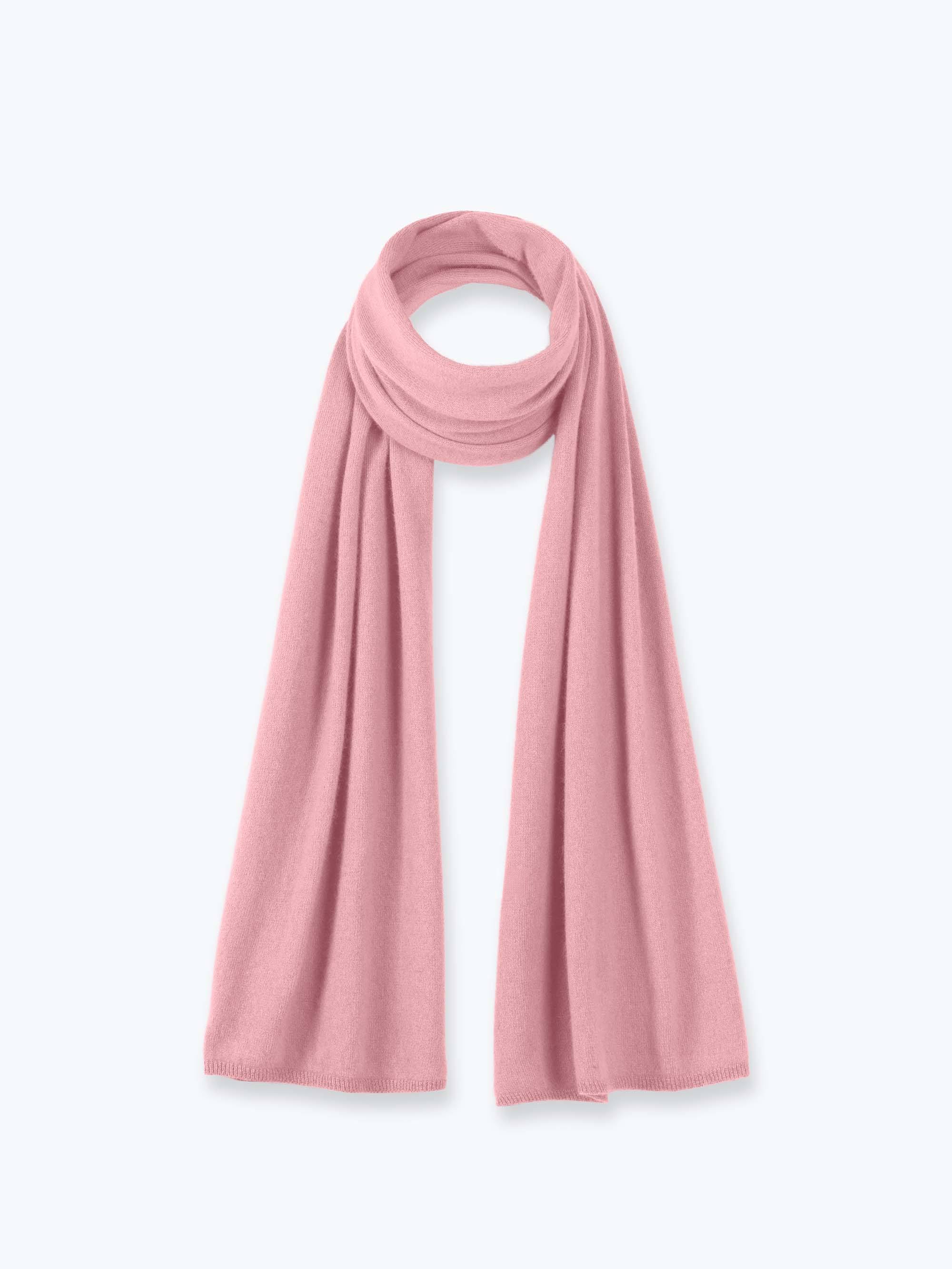
Merino wool – a material that provides a great experience for younger and older users alike. However, for this to be the case, it must be 100% merino fabric. You can often come across products described as coming from merino sheep that actually have only a very small amount of merino wool blended in. Blends of merino wool with other, high-quality materials also work well. A good example is the combination of merino wool with cashmere. Cashmere further enhances the softness of merino wool. In this pairing, it's the perfect blend. However, the production of this material is associated with a certain controversial practice - mulesing. This mainly concerns sheep from Australia, so when choosing merino wool, it's worth paying attention to its origin and whether it comes from mulesing-free farming.
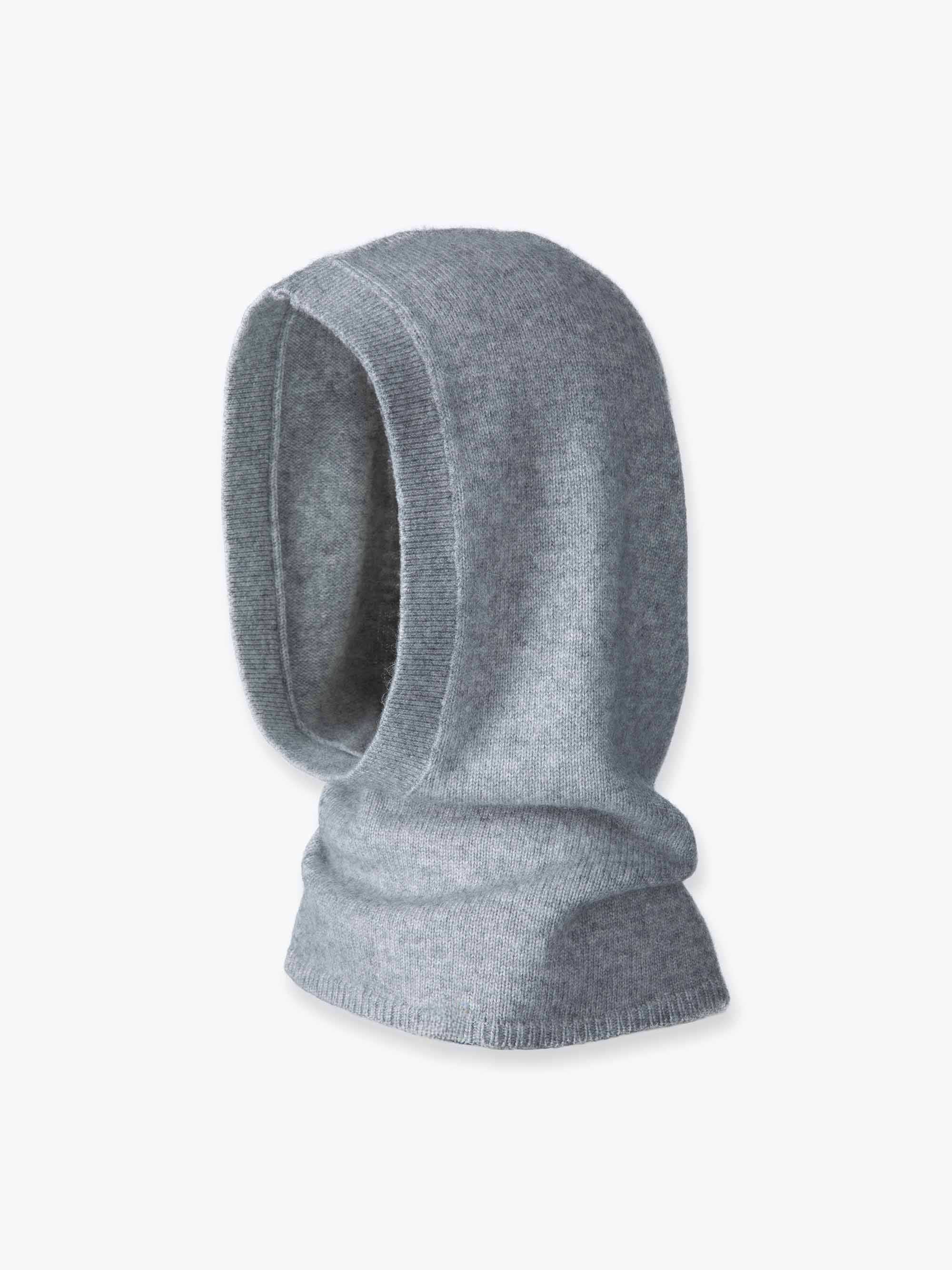
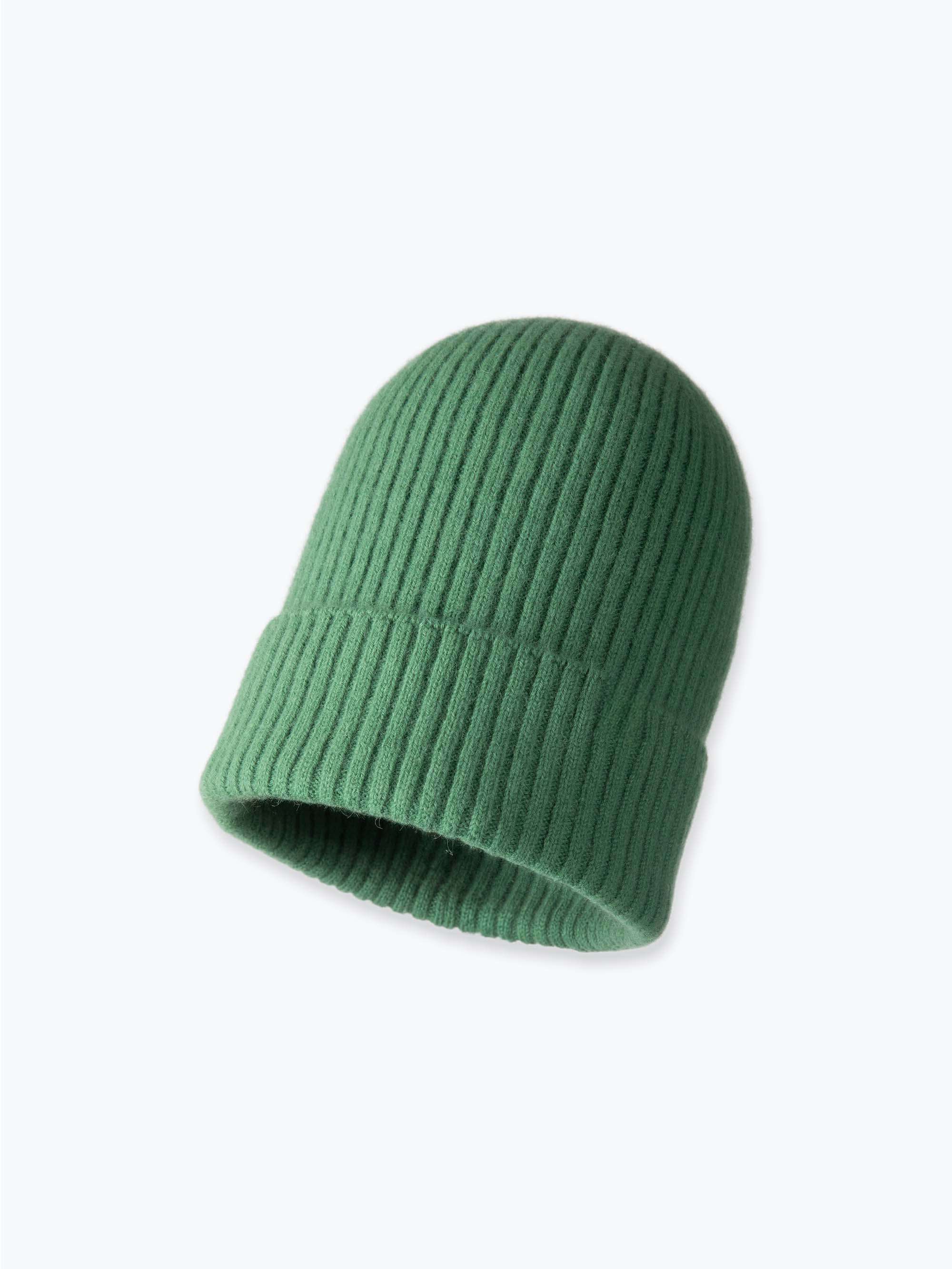
How to care for merino wool so it lasts a long time? How to wash merino wool without damaging it?
Caring for merino wool is important, as it can be easily damaged. However, it's not difficult, you just need to follow a few rules. Thanks to its properties, merino wool rarely needs washing. The natural protection provided by the outer hydrophobic layer, which prevents stains from soaking in, makes it easy to protect merino wool clothing and accessories from dirt. It is best to air it out.
Minor stains, however, can be removed with a damp cloth without the need for washing. If you do need to wash a wool product, it is best to do so by hand or use a special wool washing programme with a minimal spin speed (max 200). The temperature should not exceed 30°C. Detergents intended for washing wool should also be used.
Traditional sheep's wool or merino wool? What's the difference between merino and traditional wool
In practice, merino wool can be used to make blankets, clothes, merino underwear and socks. Merino tops, long johns and dresses are also nothing new these days. Furthermore, merino wool allows moisture to be wicked away. Merino wool therefore protects against both cold and overheating. This makes it easier to avoid colds, for example when stepping briefly from outside into warm rooms. It's therefore worth choosing merino wool in many circumstances. Wherever we need it to keep us warm in freezing winter conditions, e.g. when skiing or sledging.
It also works perfectly for everyday wear, wrapping you comfortably, taking care of thermal comfort and not causing irritation. The thickness of merino fibre guarantees that the material is more pleasant than classic wool. That's why it's worth choosing merino wool if ordinary products have chafed or irritated your skin. This is most important for items that come into direct contact with the skin. Merino wool provides greater comfort for sensitive individuals and allergy sufferers. Now there's no need to give up this natural material. All you need to do is swap sheep's wool for merino, or for a blend of merino wool with another premium material.
Other posts from this category


.jpg)








Get EUR 10 off your order over EUR 100
By clicking „Sign up” I voluntarily agree to subscribe to the newsletter in order to receive marketing information, including promotions, discount codes, and the latest MyBasic products. I understand that I can withdraw my consent at any time. The controller of your personal data is MyBasic Sp. z o.o., ul. Rzędziana 11, 05-080 Izabelin B, KRS: 0000776465, NIP: 1182190916, REGON: 382808588, BDO: 000540511.