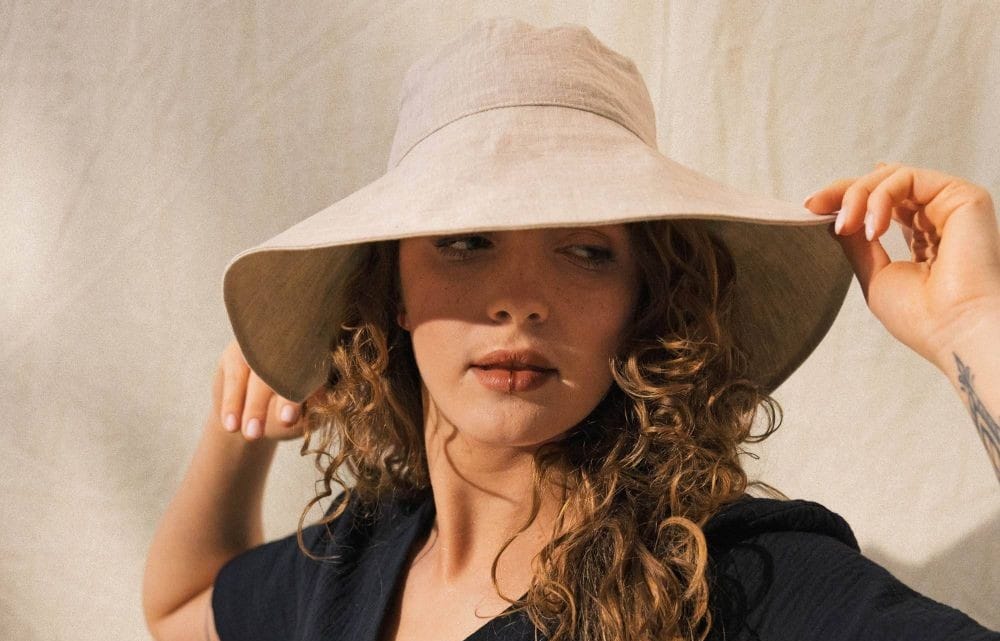
Are you interested in the composition of the clothes you wear? Do you check the benefits of the materials you use? See what linen looks like and what its pros and cons are. Is it worth choosing for your wardrobe and what sets it apart from other materials.
Linen fabric – a natural material with tradition
Although synthetics have dominated the textile market in recent years, linen - a material that has accompanied humans for thousands of years - has not lost its appeal. Archaeologists find linen fibres in Egyptian tombs, and medieval chronicles describe it as an export commodity. Today, as we increasingly reach for sustainable solutions, linen as a natural fabric is coming back into favour – and in a big way.
How is linen made?
The process of making linen is still based on traditional stages. From sowing and harvesting the plants, through retting and scutching, which aims to separate the stalks from the fibres. The next stage is combing and spinning. This is how the linen used, for example, in the clothing industry is produced. The material prepared this way is fully biodegradable, which is definitely one of its advantages.
What does linen look like?
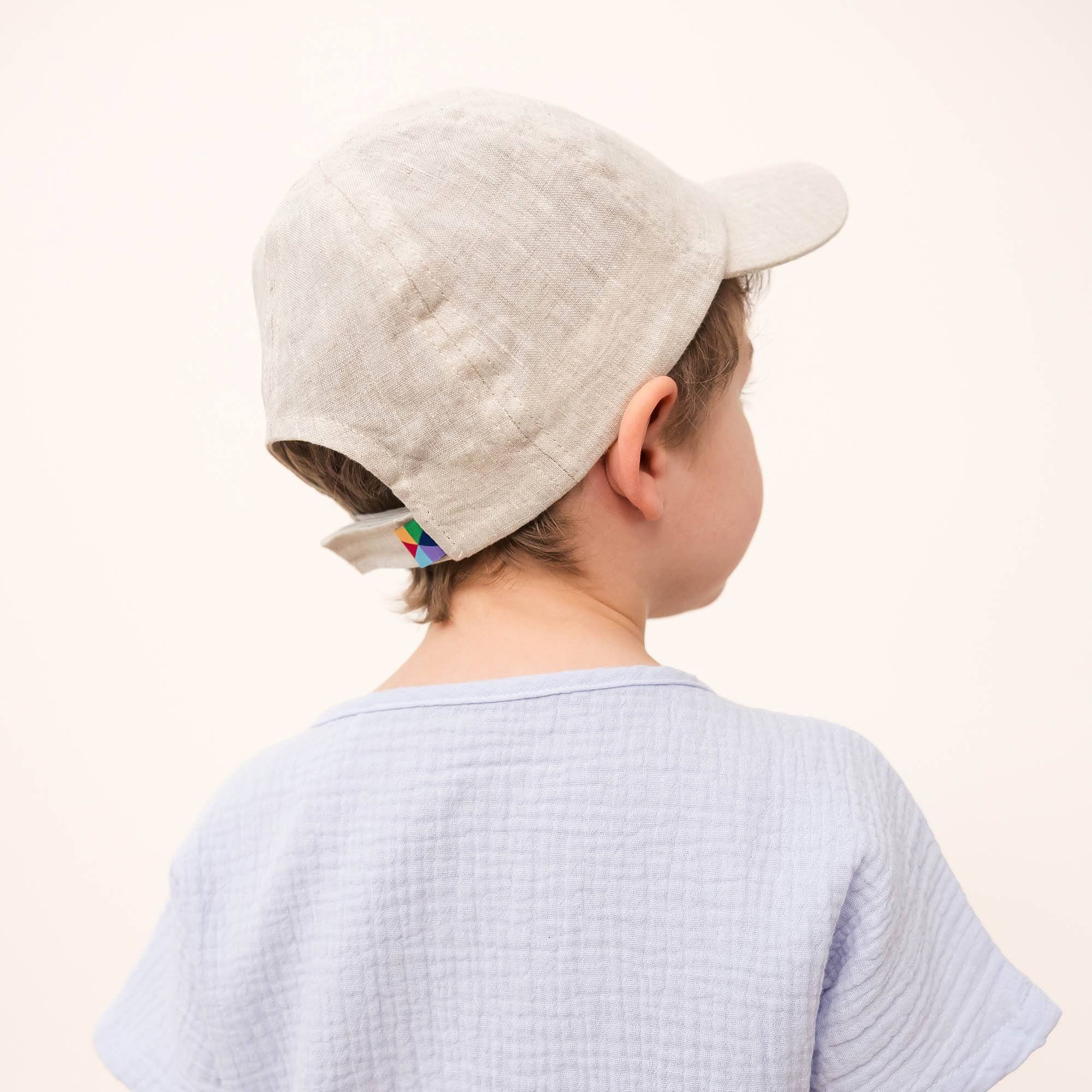
Freshly woven fabric has a characteristic, slightly shimmering weave. Depending on the thickness of the yarn, the fabrics can be as delicate as batiste or as sturdy as denim. Natural linen is a raw-coloured material, taking on shades of ecru or beige; it is often left undyed to emphasise its natural character. This is its well-known and much-loved look.
Does linen "itch"?
The question of whether linen itches often comes up among people used to silky knits. Raw fibres can be rough, but after a few washes they become soft and pleasant. Additionally, manufacturers soften the fabric enzymatically, so the feeling of "itching" disappears right from the start.
Linen fabric - properties
Linen is considered an excellent material for warm days. Its characteristic structure has many admirers who appreciate the natural and raw look of linen fabrics. A property of linen is that it creases quickly, which, however, is not seen by many as a drawback. It is sometimes even regarded as an advantage of this material.
Linen – pros and cons
See what characterises linen.
The disadvantages of the fabric certainly include the higher price we have to pay for products made from this material. Its processing and cultivation are more difficult and take more time, which translates into costs. The disadvantages also include the previously mentioned low elasticity of the material. New products may be perceived as somewhat too rough by some users, a feature that changes with each subsequent wash. Linen is also a material that does not fit the body, is not stretchy, which must be taken into account when choosing the size and style.
Advantages of linen:
- High hygroscopicity (absorbs approx. 25 % moisture) - effectively absorbs sweat and does not feel wet.
- Breathability and thermoregulation - thanks to the loose weave and hollow fibres, the material provides pleasant coolness in summer and heat retention in winter.
- Antibacterial and hypoallergenic properties - inhibits the growth of microorganisms, recommended for allergy sufferers and people with sensitive skin.
- Protection against UV radiation - the fibres partially filter harmful sunlight.
- Very high strength (also when wet) - linen is stronger than many other fibres; garments last for years.
- Antistatic properties - does not become electrically charged, does not attract dust, remains pleasant to the touch.
- Eco-friendliness and biodegradability - the whole plant is used, and the fabric decomposes without harming the environment.
- Quick drying - linen dries faster after washing than dense cottons or synthetics.
- Natural cooling properties - low thermal conductivity makes the material feel "cold to the touch".
- Softens with every wash - frequent use makes it increasingly smooth without losing durability.
Applications - from tailoring to design
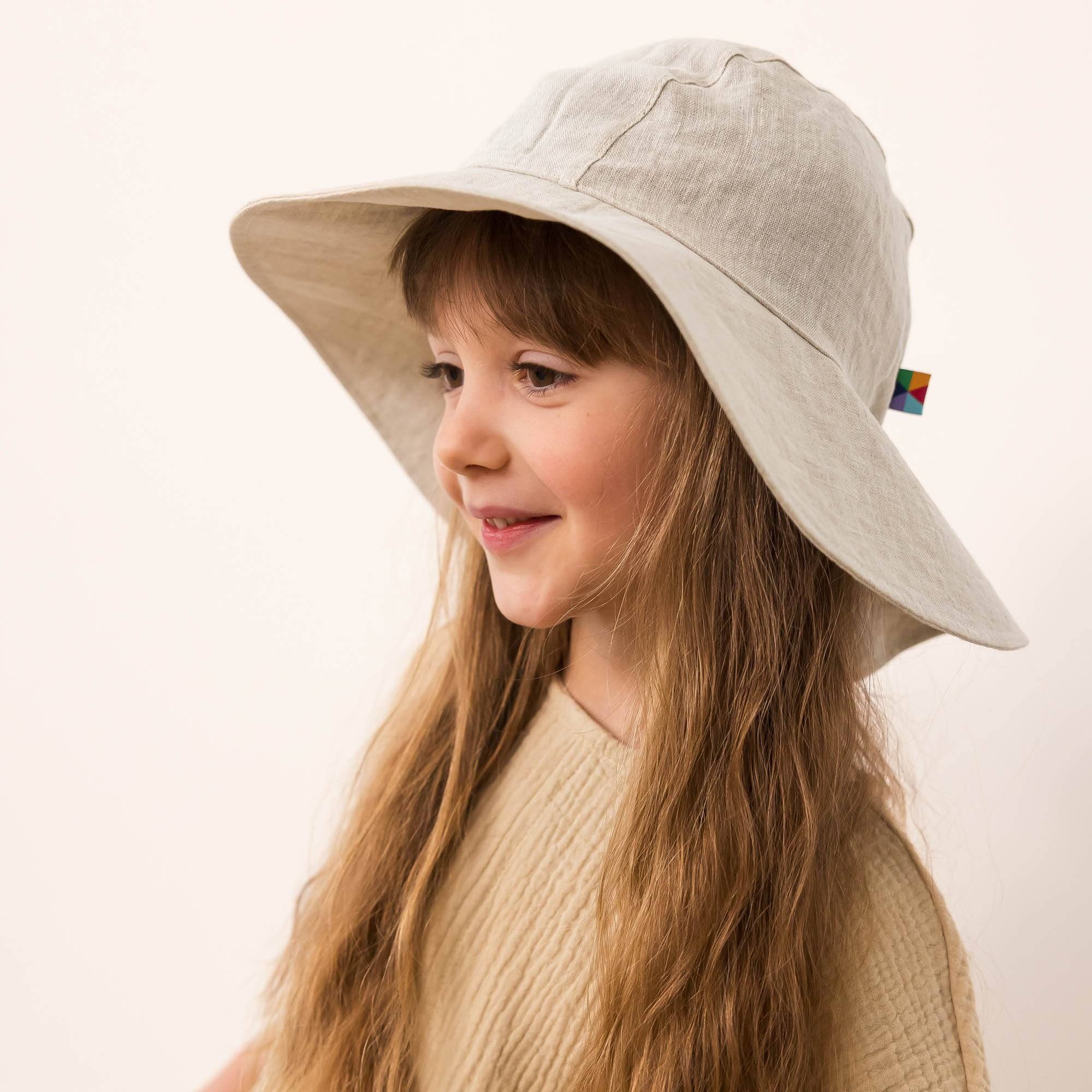
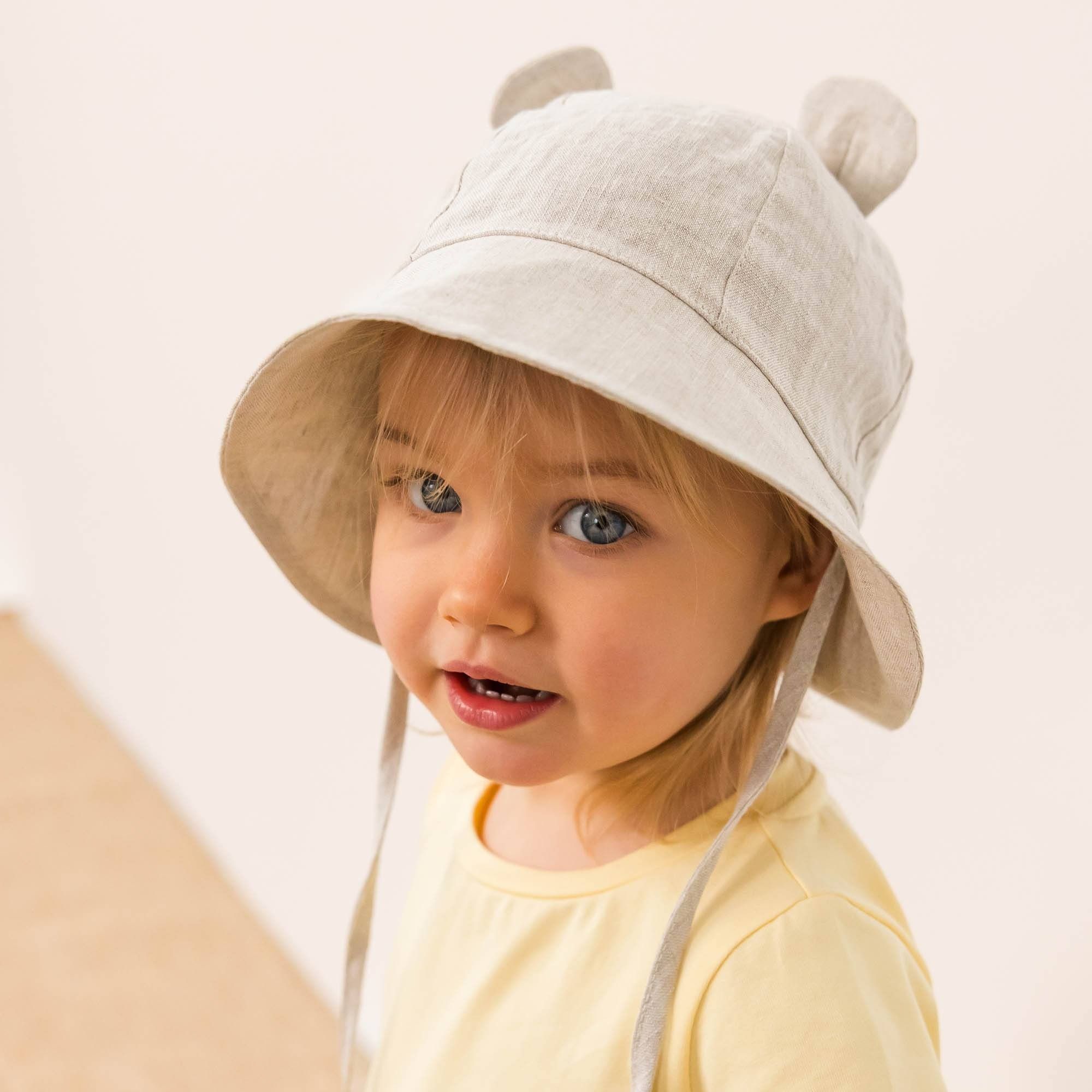
Due to its many advantages, linen has a wide range of applications. It is readily used for year-round clothing. It is also useful for home textiles such as bedding, towels or curtains. Linen is also widely used in the production of accessories. Bags, linen hats, linen caps, tablecloths - linen, in its natural shade and rustic texture, fits perfectly into the eco trend.
Thanks to its eco-friendly origin and exceptional performance parameters, linen fabric remains unrivalled compared to many modern fibres. If you value breathability, durability and noble simplicity, choose natural linen – a conscious choice that combines tradition with the current trend of sustainable fashion.
Other posts from this category
.jpg)






Get EUR 10 off your order over EUR 100
By clicking „Sign up” I voluntarily agree to subscribe to the newsletter in order to receive marketing information, including promotions, discount codes, and the latest MyBasic products. I understand that I can withdraw my consent at any time. The controller of your personal data is MyBasic Sp. z o.o., ul. Rzędziana 11, 05-080 Izabelin B, KRS: 0000776465, NIP: 1182190916, REGON: 382808588, BDO: 000540511.