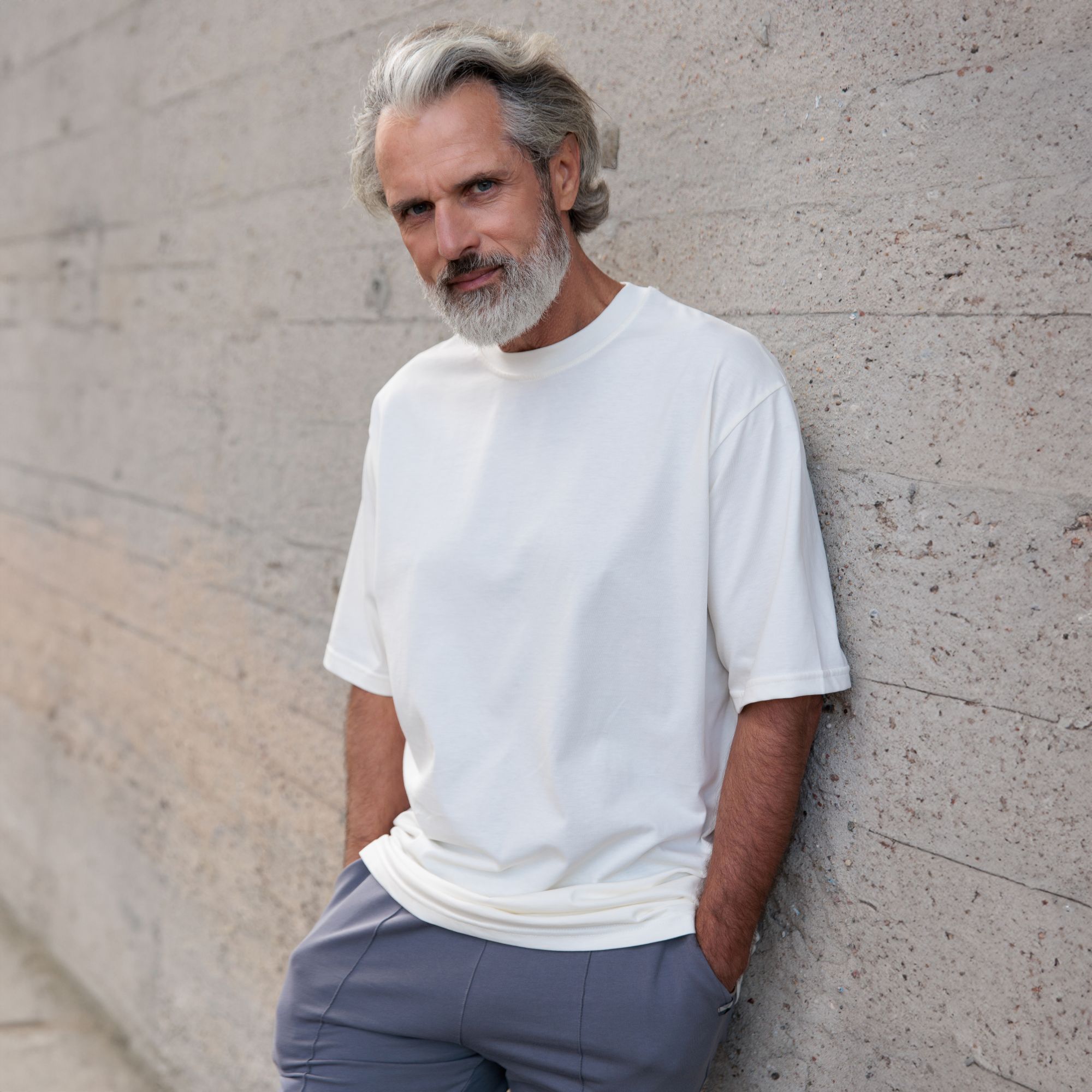
Elastane, also known as spandex, is a synthetic polyurethane fibre that has revolutionised the world of fashion and sportswear. It was invented in 1958 and has since become an essential component of many garments – from leggings and swimwear to underwear. Its popularity stems primarily from its incredible elasticity and resistance to deformation.
What makes elastane so unique? Above all, its ability to stretch several times its original length without permanently losing its shape. After stretching, the material returns to its original form, making it extremely practical and comfortable for everyday use.
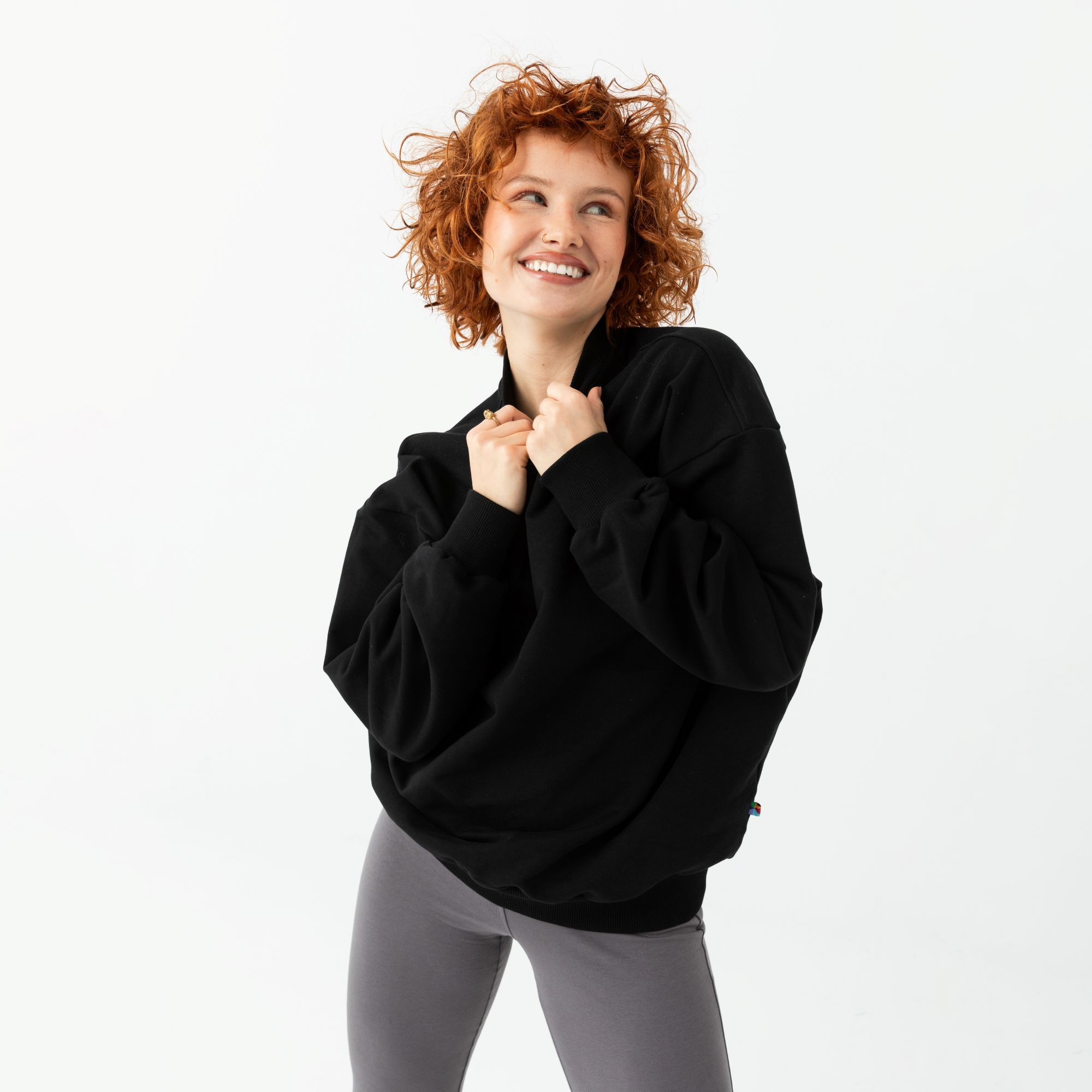
Elastane - advantages and disadvantages
The main advantages of elastane:
- High elasticity – the material can stretch several times its length.
- Wrinkle resistance – clothes with elastane require less frequent ironing.
- Durability – retains its properties even after many washes.
- Wearing comfort – fits the body perfectly, ensuring freedom of movement.
In sportswear, where every movement counts, elastane plays a key role – providing full freedom and comfort while extending the life of the fabric.
Of course, elastane is not without its drawbacks. It is worth knowing its limitations in order to consciously choose clothing and take proper care of it.
Disadvantages of elastane:
- Low moisture absorption – may cause thermal discomfort on hot days.
- Flammability – requires caution during drying and ironing.
- Sensitivity to high temperatures – may be damaged by improper care.
In an era of growing environmental awareness, the textile industry is intensively searching for more eco-friendly alternatives to elastane. Although its recycling still poses a technological challenge, the first attempts to reuse this fibre are emerging.
What is elastane and how was it made?
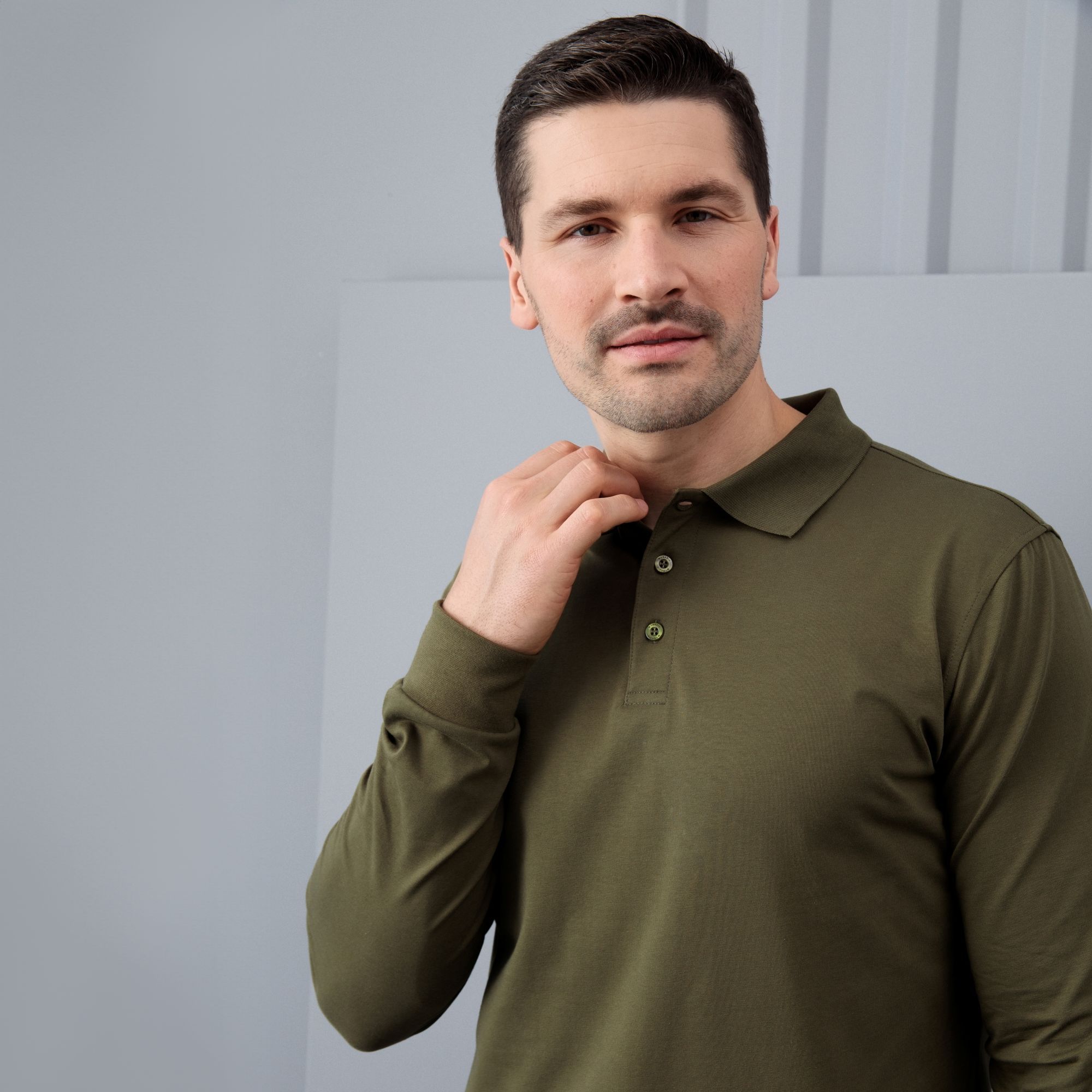
Elastane is a synthetic fibre that has revolutionised modern fashion. It was developed in 1958 by American chemist Joseph Shivers, working for DuPont. It is made from rubber containing as much as 85% polyurethane, giving it exceptional resilience and elasticity.
Initially, elastane was mainly used in military applications. However, its remarkable properties quickly caught the attention of fashion designers and clothing manufacturers. Elastane never appears on its own – it is always an admixture to other fabrics, allowing clothes to be created that fit the figure perfectly and provide full freedom of movement.
It's also worth clearing up some misunderstandings. Elastane is sometimes confused with Lycra, which is a registered trademark belonging to Invista. Spandex, on the other hand, is the general name for this fibre, used mainly in English-speaking countries.
Elastane as an admixture in fabrics
Elastane added to fabrics gives them exceptional elasticity, translating into greater wearing comfort and functionality. The addition of elastane makes materials more stretchy, fit the body better and do not lose their shape even after prolonged use. As a result, garments containing it not only look great, but are also durable, comfortable and resistant to deformation. It's no wonder that elastane has become an integral component of modern fabrics — combining comfort, durability and aesthetics.
The role of elastane admixture in improving comfort and fit
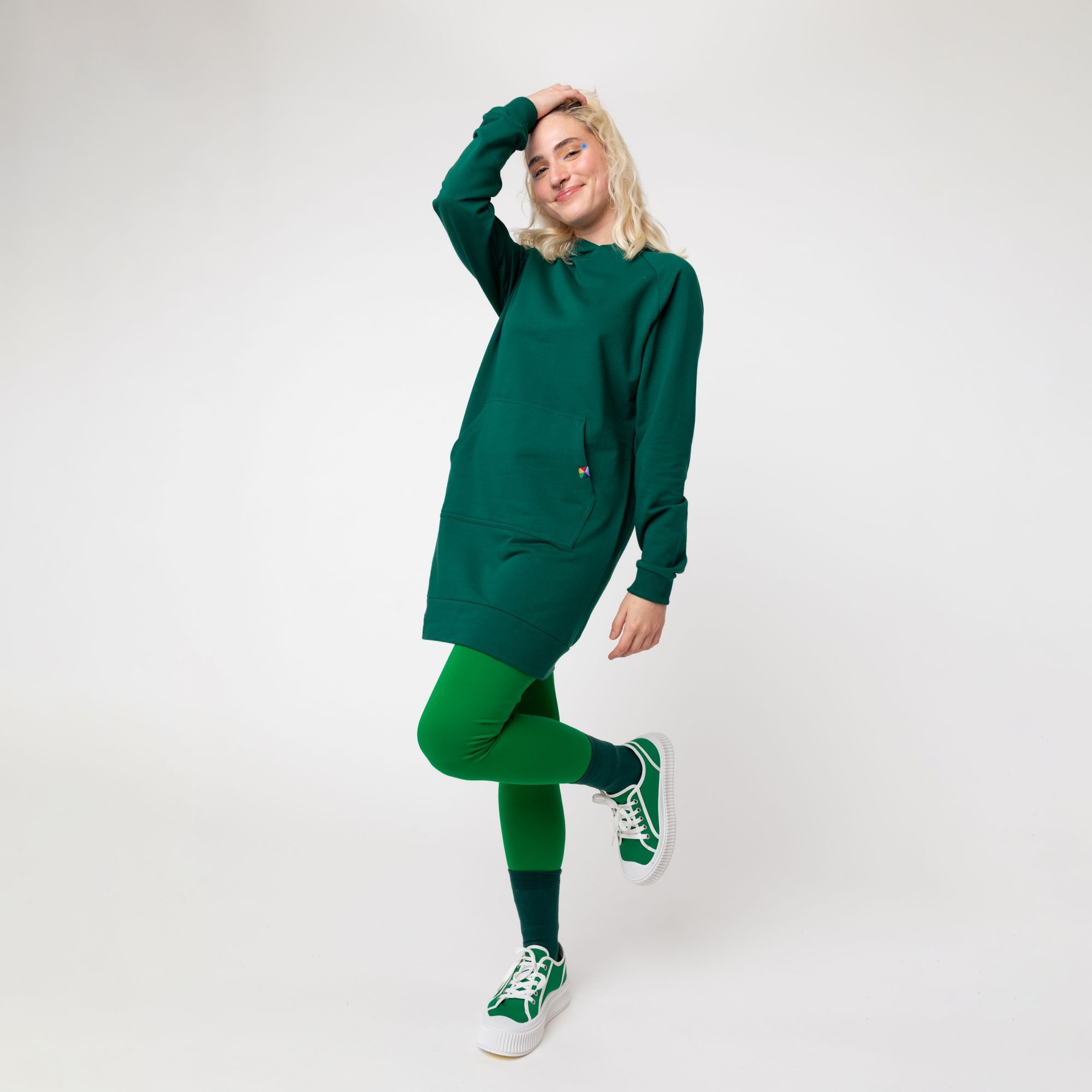
Elastane plays a key role in designing clothes that fit the body perfectly. Its ability to stretch and return to its original shape means that garments such as leggings, fitted dresses and T-shirts gain better properties, e.g.:
- fit the figure better,
- provide full freedom of movement,
- do not lose their shape after many washes,
- are more comfortable for everyday use.
This is particularly important for sportswear and workwear, where elasticity and comfort are absolutely essential. What's more, elastane protects clothes from deformation, resulting in longer lifespan and greater cost-effectiveness. For manufacturers, this is an opportunity to create clothes that truly meet the needs of modern users: comfortable, durable and stylish.
The most common elastane blends
Modern fabrics are rarely found in pure form. Elastane is increasingly combined with other fibres to achieve optimal functional properties. Below are the most popular combinations:
- cotton with elastane
- viscose with elastane
Cotton with elastane — is it a good fabric?
Cotton with added elastane is one of the most frequently chosen combinations in fashion — and for good reason. It combines:
- the natural softness and breathability of cotton,
- the elasticity and durability of elastane,
- high wearing comfort,
- a better fit to the figure.
Clothes made from this blend — from T-shirts to trousers to dresses — are comfortable, fit well and allow freedom of movement.
Is it always the best choice? It depends on the user's needs. If comfort and elasticity matter to you — definitely yes. However, it's worth remembering that elastane may slightly limit the fabric's ability to absorb moisture, which can matter on hot days.
Nevertheless, for most of us, the advantages — durability, comfort and better fit — clearly outweigh the minor drawbacks. That's why cotton with elastane remains one of the most versatile and practical materials in everyday wardrobes.
Use of elastane in clothing
In sportswear, elastane plays a key role, providing full freedom of movement – essential during physical activity. It is used in leggings, tops and swimwear, where it fits the body perfectly without limiting mobility. It is often combined with other fibres to create functional blends:
- Cotton – for greater wearing comfort,
- Polyester – for increased durability,
- Viscose – for softness and breathability.
Such combinations result in fabrics tailored to various needs – from intense workouts to relaxing at home. It is this versatility that makes elastane so valued in the clothing industry. However, elastane is not limited to the gym alone. In everyday clothes, its presence significantly improves wearing comfort.
Is elastane a good material for everyday use?
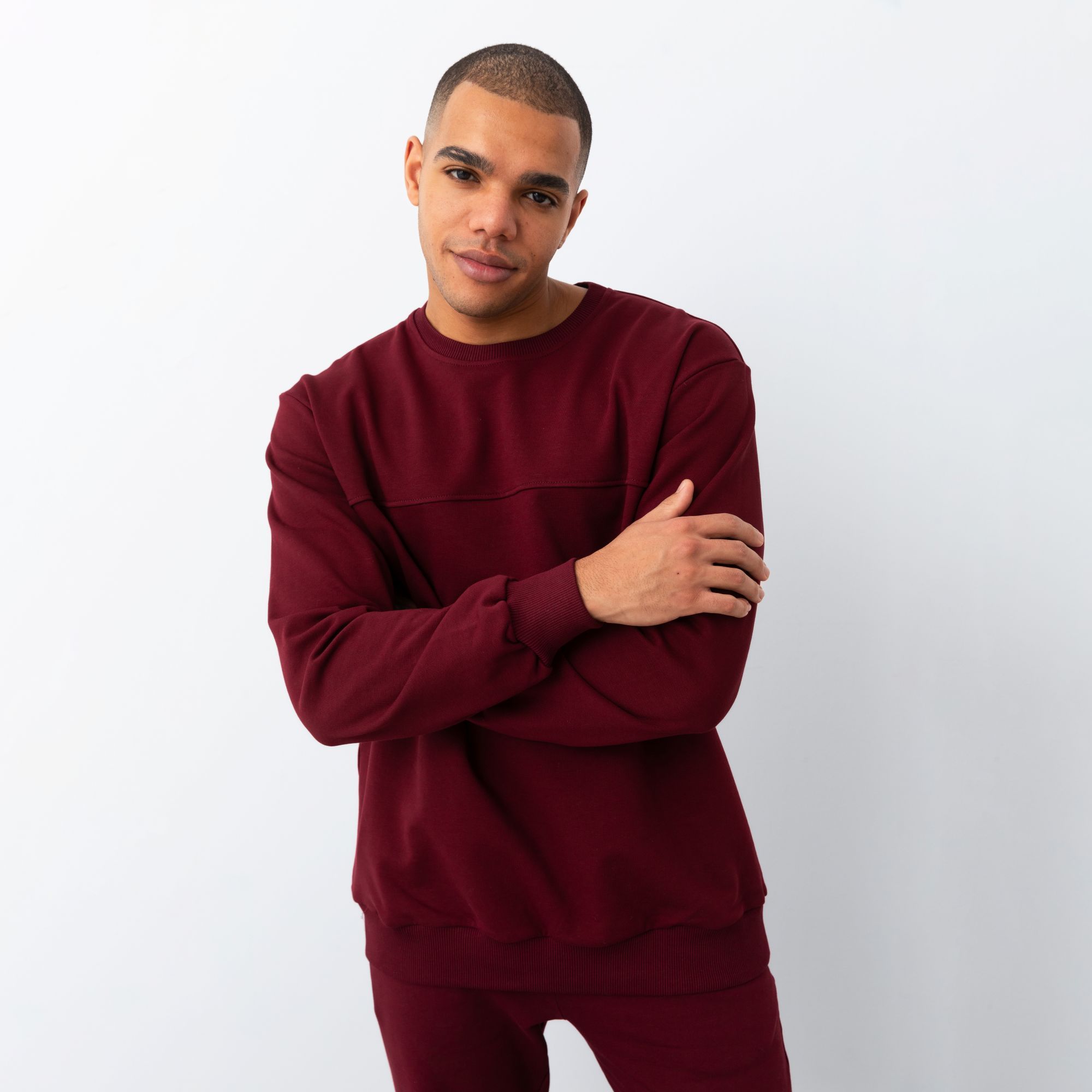
Definitely yes! Elastane is a material that works perfectly for everyday use. In today's fast-paced life, where comfort from morning to evening matters, elastane becomes indispensable. What's more, its presence in the fabric makes clothes look new for longer.
Of course, elastane also has its limitations. It doesn't handle moisture wicking very well, so it may be less comfortable on hot days. However, its advantages – elasticity, durability and fit – clearly outweigh this minor drawback. The most important thing is to pay attention to how much elastane is in the product's composition. If there is only a small amount, a few percent, you can choose such products without any concerns.
Other posts from this category

.jpg)








Get EUR 10 off your order over EUR 100
By clicking „Sign up” I voluntarily agree to subscribe to the newsletter in order to receive marketing information, including promotions, discount codes, and the latest MyBasic products. I understand that I can withdraw my consent at any time. The controller of your personal data is MyBasic Sp. z o.o., ul. Rzędziana 11, 05-080 Izabelin B, KRS: 0000776465, NIP: 1182190916, REGON: 382808588, BDO: 000540511.