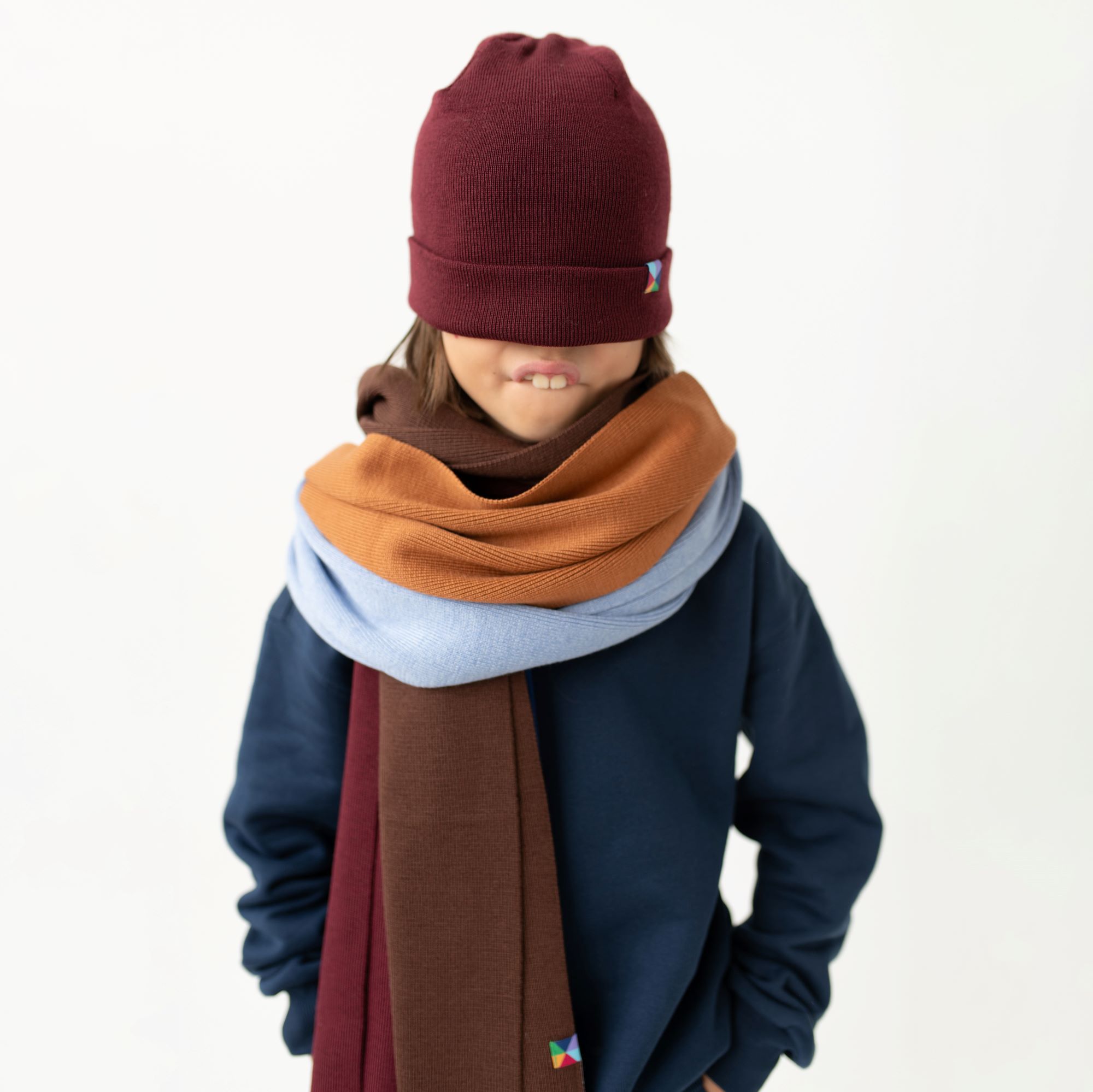
Wool products are experiencing a renaissance, and interest in them is growing, not without reason. In addition, knowledge about their types and properties is increasing. Due to its qualities, merino wool is now very often chosen. During its production, however, animals may be harmed, which casts a shadow over the entire industry and merino wool products. Find out more to understand why choosing products from mulesing-free farming is important.
More about merino wool: Merino wool - what material is it and what are its properties?
Where and why is mulesing used?
Mulesing is a controversial surgical procedure performed on sheep. Mulesing is practised mainly in Australia, which is one of the largest wool producers in the world, especially of merino sheep wool. Due to the specific, humid climate and the large presence of flies, Australian farmers have used this method for years to protect sheep from flystrike. Merino sheep, due to their characteristic loose and wrinkled skin, are much more susceptible to fly attacks than sheep of other breeds.
Mulesing was also widely used in New Zealand, but the local government and farmers have taken steps towards banning this practice. Since 2018, mulesing has been officially banned there, and the country now offers wool coming exclusively from sheep that have not been subjected to this method. Apart from Australia and New Zealand, the practice of mulesing is not widely used in other countries, as in other regions (such as Europe or South America) the flystrike problem is much less severe, meaning the procedure is not necessary.
Mulesing – what is it?
Mulesing is a method that involves the surgical removal of patches of skin around a sheep's tail. This procedure is carried out on merino sheep, which are particularly susceptible to flystrike, i.e. the invasion of flies that lay eggs in moist skin folds. Once hatched, the larvae cause painful wounds and infections that can even lead to the animal's death.
Mulesing is meant to prevent the accumulation of moisture and faeces around the tail, reducing the risk of fly larvae development. The procedure is carried out on young animals, most often in a cooler period, using sharp shears, and is usually performed without anaesthesia. Administering anaesthesia by a vet would increase the cost of the entire operation, which is why it is omitted. Sometimes a local anaesthetic is given after the procedure, which, although it partially reduces the sheep's suffering. After the procedure, the skin on the healed wound does not grow back together, becoming taut and less exposed to risk.
Controversies surrounding mulesing
Although mulesing protects sheep from serious infections, its use causes great controversy, because the method is painful and performed without anaesthesia. Animal welfare organisations and consumers draw attention to the ethical aspects of this practice, promoting alternative methods of protecting sheep from fly invasion. The method is considered cruel and should be banned.
Mulesing-free – why is wool production without mulesing better? Pros and cons of avoiding mulesing
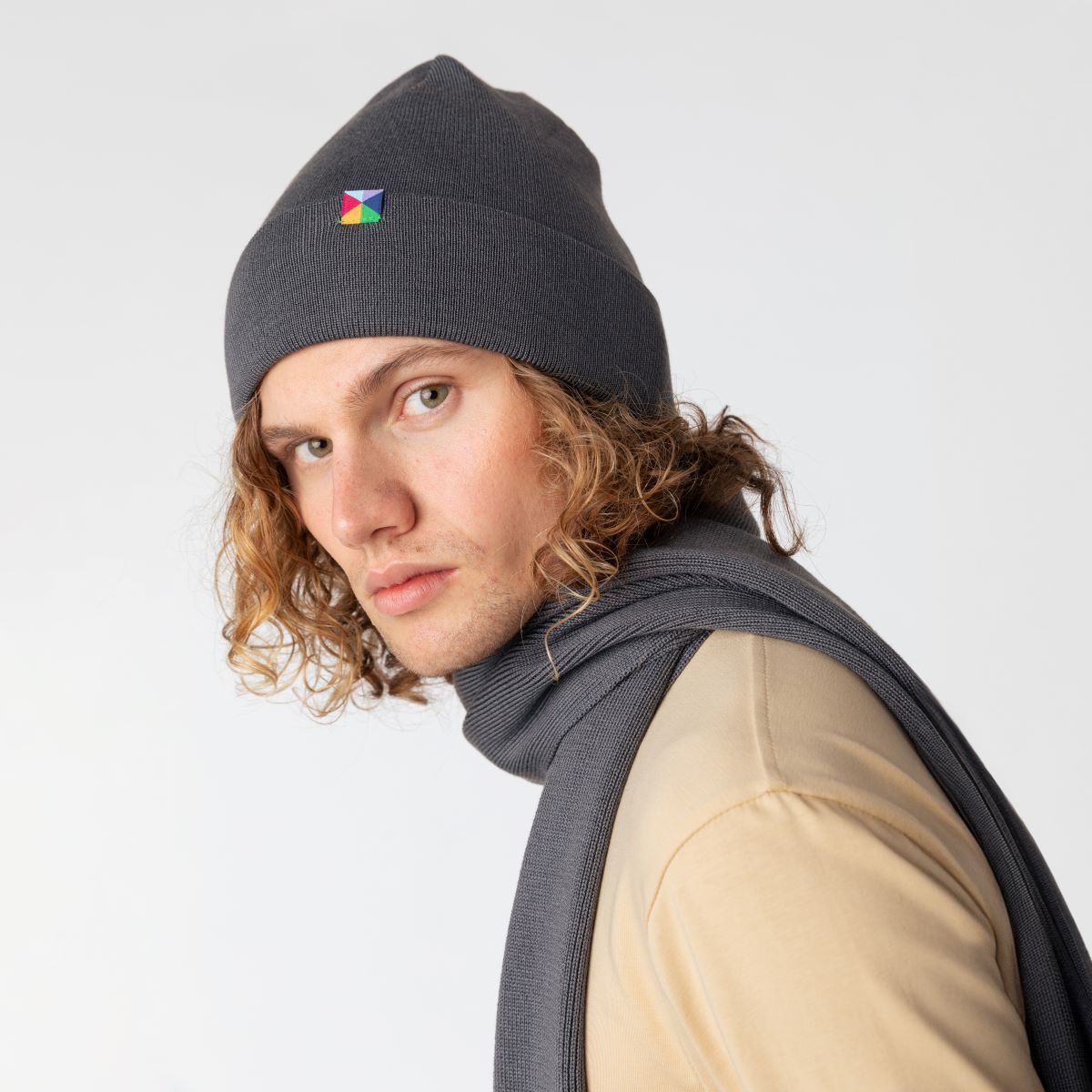
Wool production without mulesing, referred to as mulesing-free, is gaining increasing popularity, especially among consumers who care about animal welfare. Why is it a better alternative? Avoiding mulesing eliminates sheep suffering and improves their welfare, and farmers using this ethical model are increasingly investing in other ways of preventing flystrike. Alternative solutions include, among others, selective breeding of sheep with less wrinkled skin, regular trimming of wool around the tail, as well as the use of natural fly repellents.
Advantages of avoiding mulesing:
- Better animal welfare. Animals are not subjected to painful procedures, which reduces their stress and suffering.
- Greater consumer trust. Products labelled "mulesing-free" often enjoy greater trust, especially among customers from Western countries, where awareness of ethical shopping is higher.
- Building brand image. Manufacturers who avoid mulesing are seen as more responsible and caring about the environment and animal welfare.
Disadvantages of avoiding mulesing:
- Alternative methods of protection against fly larvae are costly, time-consuming and not always as effective as mulesing, especially in Australia's humid climate.
- Costs for farmers: Production without mulesing may involve additional costs, related for example to the need for more frequent animal inspections and the use of repellents, which can raise the final price of the wool.
Certificates confirming that wool comes from mulesing-free farming
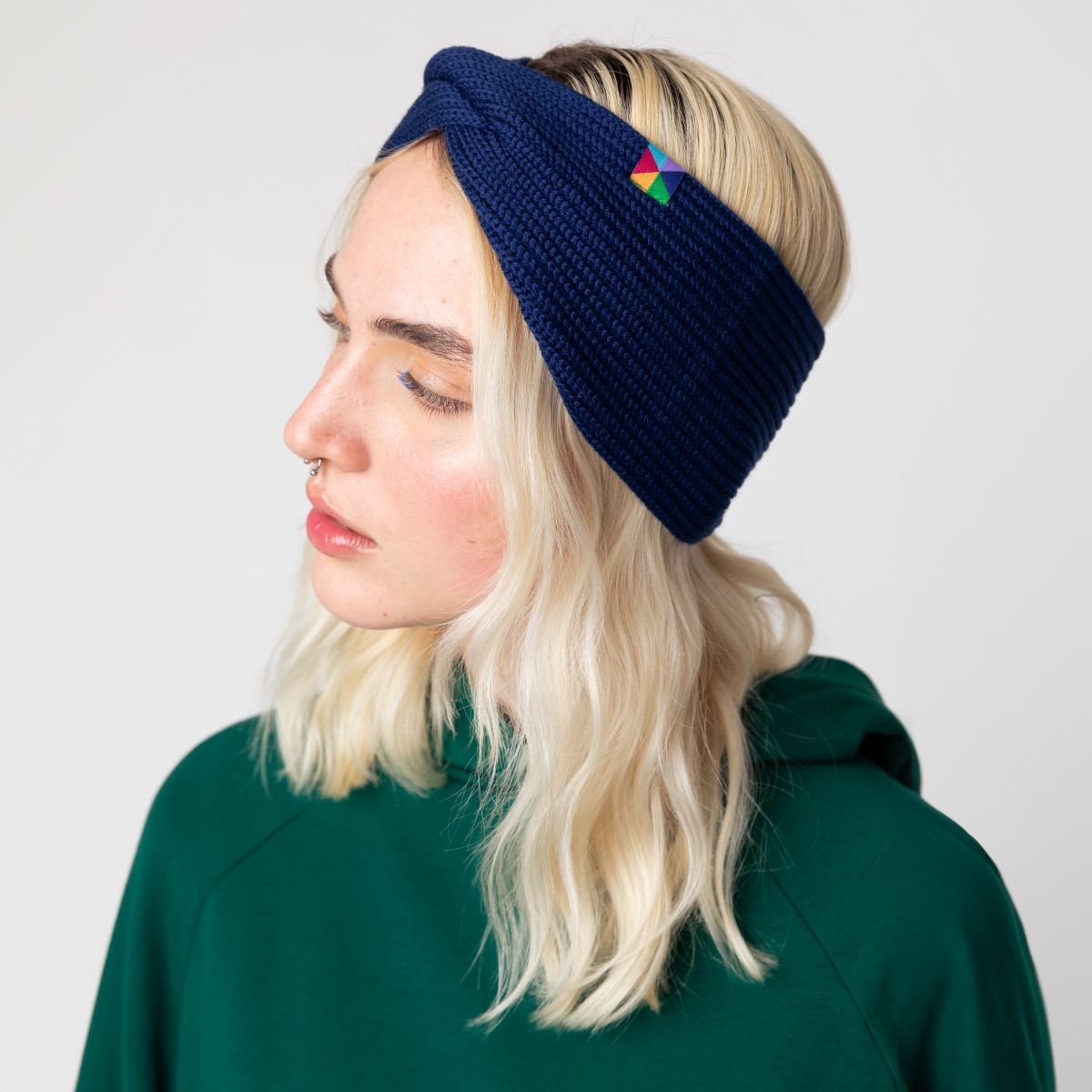
Growing consumer awareness of animal welfare leads to increased interest in mulesing-free wool. To make it easier to choose appropriate products, certificates have been created that confirm that the wool comes from farms that care about animal welfare and act ethically. Among the most important certificates are:
RWS (Responsible Wool Standard), which covers the entire wool production process, from farming to the final processing of the material. RWS guarantees that the wool comes from sheep treated in accordance with high welfare standards. ZQ Merino, this certification focuses on merino wool production and also takes care of environmental standards.
Having one of these certificates is a guarantee that the wool comes from responsible sources, which is of great importance to consumers who care about ethical shopping. However, there is currently no developed procedure or certificate that would unequivocally state that the farm is free from mulesing. This can be inferred indirectly from ethical sheep farming confirmed by standards, which assume the avoidance of pain and animal welfare. However, it is worth asking sellers about the conditions in which the sheep lived and whether the products sold are mulesing-free. The seller may obtain such declarations from their supplier.
Why are merino wool products so popular?

Merino wool products are gaining increasing popularity around the world thanks to their unique properties. Merino wool is thin, delicate and does not itch, which distinguishes it from traditional, thicker wool. These features make it an ideal material for sports and outdoor clothing, as well as everyday wear. Here you can find out more about the benefits of merino wool.
By choosing mulesing-free wool, consumers can own an excellent-quality natural material and support ethical farming practices, which has a positive impact on animal welfare. Our choices matter.
Other posts from this category

.jpg)




Get EUR 10 off your order over EUR 100
By clicking „Sign up” I voluntarily agree to subscribe to the newsletter in order to receive marketing information, including promotions, discount codes, and the latest MyBasic products. I understand that I can withdraw my consent at any time. The controller of your personal data is MyBasic Sp. z o.o., ul. Rzędziana 11, 05-080 Izabelin B, KRS: 0000776465, NIP: 1182190916, REGON: 382808588, BDO: 000540511.