
In the face of the growing climate crisis and progressing environmental pollution, sustainable fashion is no longer just a passing trend. It is a concrete and conscious response to global challenges that affect each of us. It encompasses designing, producing and buying clothes in a way that minimises the negative impact on the planet and improves working conditions in the clothing industry.
Why is sustainable fashion a necessity? Its impact on the environment
The clothing industry is one of the biggest environmental polluters. It is responsible for around 10% of global greenhouse gas emissions – more than all international flights and maritime transport combined!
Sustainable fashion is a real opportunity to reduce environmental damage and improve the living conditions of millions of people working in the textile industry.
What changes are occurring in consumer awareness?
More and more people are realising that their everyday choices have real consequences. As a result, interest is growing in:
- locally made clothing – supporting local communities and reducing the carbon footprint,
- organic materials – safe for the skin and the environment,
- recycled fabrics – giving used raw materials a second life,
- transparent brands – openly sharing information about production conditions and material origins.
It's worth asking ourselves a few important questions and becoming aware of how we approach shopping. Do we support responsible fashion, choosing quality and durability over fast fashion? Do we know where our clothes come from and under what conditions they were made? And finally, can I buy less and reduce the amount of clothing I purchase? The answers to these questions can be the beginning of change – not only in our wardrobe, but also in the entire clothing production system.
You might like this: Patches for clothes - a way to fix holes and worn spots on trousers
What is sustainable fashion and why does it matter
The fashion world is currently undergoing a genuine revolution. Sustainable fashion is taking centre stage. It's an approach that focuses on minimising the negative impact of clothing production on the environment – from sourcing raw materials, through production processes, to delivering the finished product to the shop.
At the heart of this philosophy are natural, biodegradable materials, such as organic cotton, and reducing the use of synthetics, which can remain in landfills for hundreds of years. But that's only part of the idea.
More and more people are paying attention not only to the cut or colour of a garment, but also to its history. Where was it made? Who sewed it? Sustainable fashion is not only about caring for the planet – it's also about respect for the people behind every stitch, button and label. From the designer to the seamstress – everyone matters. It's a lifestyle that combines aesthetics with responsibility. The clothing industry is one of the biggest polluters in the world. Introducing more conscious practices, such as slow fashion, can genuinely help reduce greenhouse gas emissions and decrease the amount of waste ending up in landfills.
Definition and main principles of sustainable fashion
Sustainable fashion is based on several key pillars that set the direction for responsible production and consumption:
- Fair working conditions – decent wages, safety and respect for workers' rights.
- Environmentally conscious design – choosing materials that are eco-friendly and easy to recycle.
- Full transparency – openness about production processes and the supply chain.
- Minimising waste – reducing overproduction and promoting recycling.
Responsible design is more than just choosing an aesthetic fabric. It's about analysing every detail – from the type of material, through the dyeing method, to the packaging and even the leftovers, i.e. the so-called "no waste" idea. All of this to minimise the impact on people and the planet.
Ecological aspects of the clothing industry, ethical fashion
The modern fashion industry can no longer ignore the ethical and ecological aspects of clothing production. Growing consumer awareness means that brands wishing to remain competitive must take into account their impact on the environment and society. Ethical fashion and ecological fashion are not just buzzwords – they are a concrete response to global challenges such as climate change or human rights violations in supply chains.
A key element of this transformation is responsible production. This means not only reducing environmental damage, but also ensuring decent working conditions. Ethical fashion is an expression of respect for people and the planet.
Ethical production and workers' rights
At the heart of ethical production are people – their rights, safety and dignity. This is the foundation of sustainable fashion. More and more brands are giving up materials of animal origin, choosing vegan alternatives that are more environmentally friendly and do not involve animal suffering. However, working conditions are equally important – fair wages, safety and respect for workers.
Minimising the carbon footprint in the fashion industry
One of the biggest challenges for sustainable fashion is reducing the carbon footprint. Every stage of production – from growing raw materials, through dyeing fabrics, to transport – generates greenhouse gas emissions. That's why more and more companies are analysing the entire life cycle of their products, looking for ways to reduce emissions and improve energy efficiency.
Examples of actions that reduce the carbon footprint:
- Using recycled materials, e.g. polyester from PET bottles – reduces the consumption of virgin raw materials.
- Implementing technologies that reduce water and energy consumption – e.g. dyeing fabrics in closed systems.
- Designing clothes with reuse or recycling in mind – supports the circular economy.
Environmental impact is increasingly becoming a key criterion in business decision-making.
The importance of local production and short supply chains
In the world of sustainable fashion, local production and shortening supply chains are gaining increasing importance. Producing clothes locally means not only lower emissions related to transport, but also real support for local communities – creating jobs and strengthening regional economies.
Responsible brands are increasingly choosing this model, as it gives them greater control over the quality and ethics of production. Shorter supply chains also mean greater transparency – it's easier to trace where a given product comes from and how it was made.
Practices supporting the circular economy - recycling, upcycling
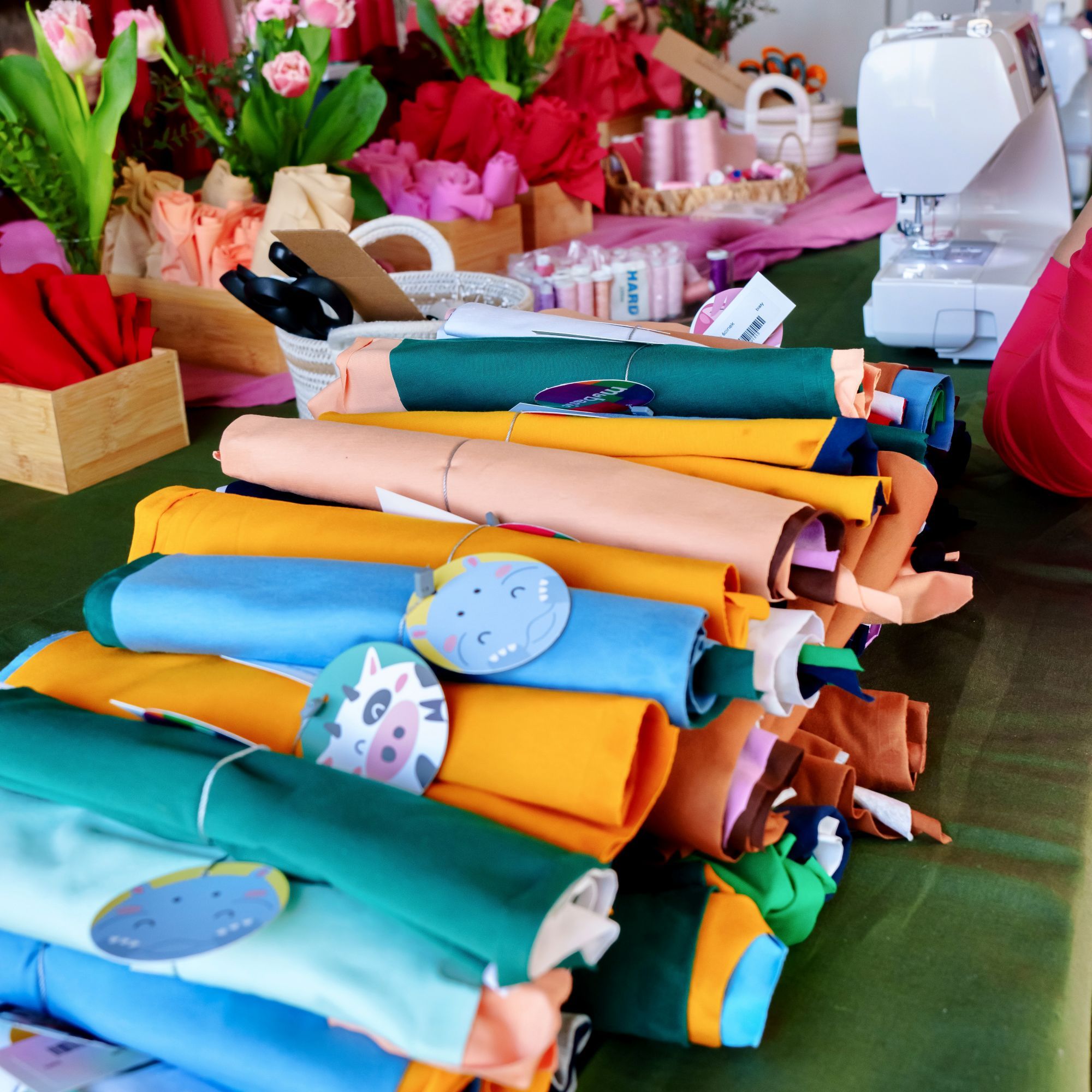
In the face of growing environmental problems, the circular economy is becoming a necessity. This is especially true in the fashion industry, where recycling and upcycling play an increasingly important role. These approaches not only reduce the amount of waste, but also promote a more conscious approach to buying and wearing clothes.
One of the key elements of this idea is clothing recycling – transforming old clothes into new materials or products. As a result, fewer textiles end up in landfills, and more are given a second life. More and more brands are focusing on fashion made from recycled materials, and consumers are realising that clothes made from recovered materials can be not only ecological, but also stylish.
Equally important is upcycling – the creative transformation of used materials into something new, often better. This approach supports sustainable fashion and gives designers enormous scope for creativity. The result is unique, one-of-a-kind garments that attract the attention of those seeking originality and responsibility in fashion.
We also can't overlook clothing exchange – a simple yet effective way to refresh your wardrobe without having to buy new things. This is not only a way to save money, but also a real contribution to reducing waste.
Zero waste in clothing design and production, i.e. responsible production
The zero waste philosophy in fashion aims to minimise waste at every stage of a garment's life – from design, through production, to its end. This approach fits perfectly with the principles of sustainable fashion and responds to the challenges posed by the climate crisis.
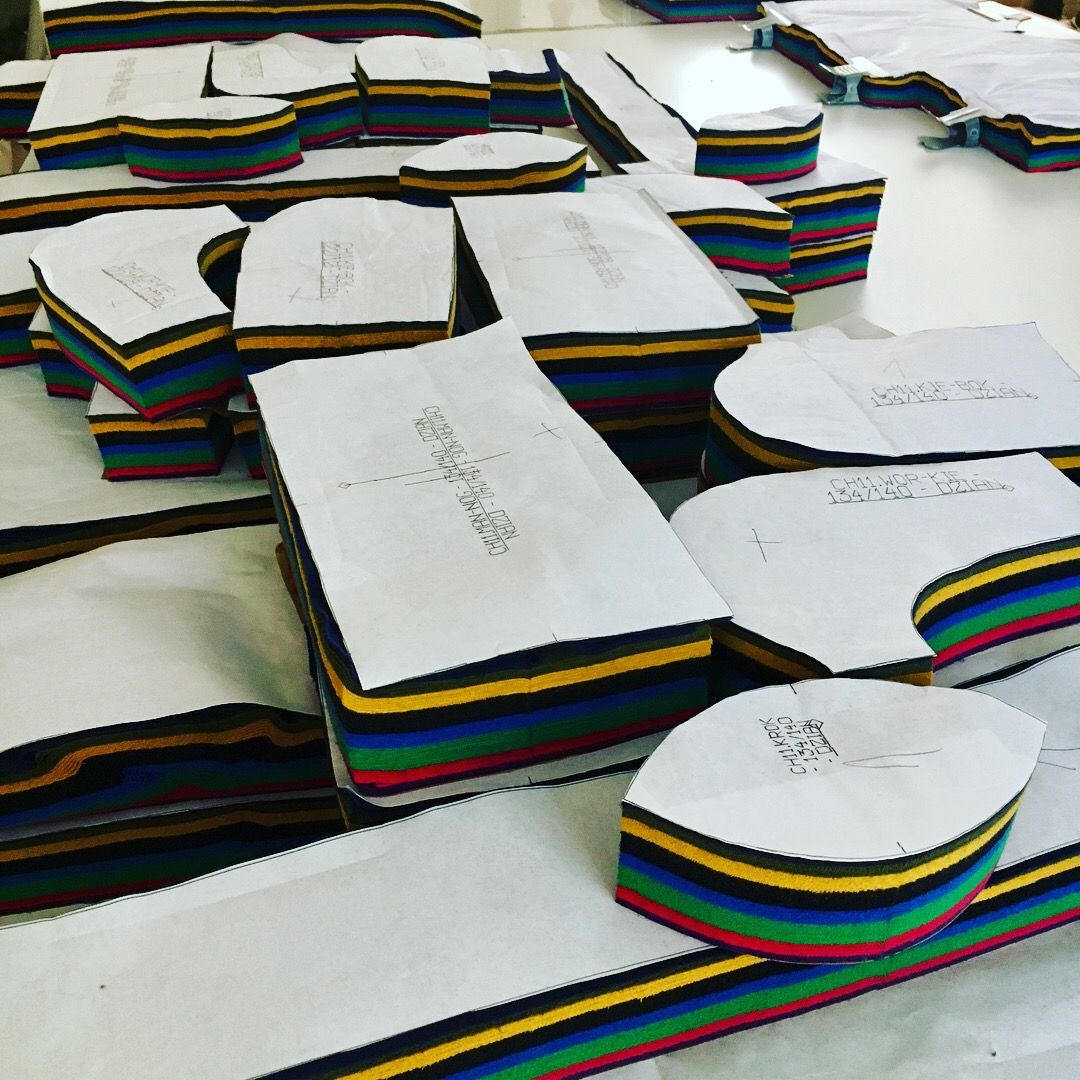
Designing in line with the zero waste idea requires innovative solutions, such as:
- Zero-waste patterns – designing clothes so as not to generate offcuts,
- Using fabric leftovers – e.g. from previous collections,
- Digital production planning – optimising raw material usage,
- Modular clothing construction – easy to repair and modify.
Such approaches result in collections that are not only aesthetically pleasing but also kind to the planet.
Responsible fashion, a lifestyle in line with its principles
More and more people are realising that fashion and care for the environment can go hand in hand. In an era of growing ecological awareness, every purchasing decision takes on new meaning. It's no longer just a choice of clothing – it's a declaration of values.
Instead of blindly following every seasonal trend, it's worth choosing quality and versatility, choosing sustainable clothing. Such a choice not only reduces our carbon footprint but also allows you to create a coherent, thoughtful and more personal wardrobe.
- Second-hand clothing, vintage and clothes swapping. Faced with clothing overproduction, which is reaching alarming levels, more and more people are turning to used clothing, vintage style or taking part in clothes swaps.
- DIY and haulternative as alternatives to excessive consumption. In response to the excess and pace of modern consumption, initiatives such as DIY and haulternative are gaining increasing popularity. Reworking old clothes, sewing your own designs, repairing damaged items – all of this combines creativity with responsibility. Haulternative, in turn, is a movement that encourages showing off clothes we already own, instead of boasting about new purchases.
Designing with durability and timelessness in mind, eco-friendly fashion
In a world where trends change faster than April weather, designing with durability and timelessness in mind is becoming not only a matter of aesthetics, but above all a conscious choice. More and more designers and ethical brands are saying "stop" to fleeting trends, focusing on sustainable development and solutions that: stand the test of time, retain style and quality, reduce environmental impact, meet the needs of conscious consumers. Durability in fashion is not just about choosing sturdy fabrics. It's also about designing clothes that don't lose relevance after one season and still look great. This is the essence of the slow fashion idea — less, but better. Timeless design is the ideal strategy against overproduction, just like sustainable clothing shopping.
In a world where trends change faster than April weather, designing with durability and timelessness in mind is becoming not only a matter of aesthetics, but above all a conscious choice. More and more designers and ethical brands are saying "stop" to fleeting trends, focusing on sustainable development and solutions that:
- stand the test of time,
- retain style and quality,
- reduce environmental impact,
- meet the needs of conscious consumers.
Durability in fashion is not just about choosing sturdy fabrics. It's also about designing clothes that don't lose relevance after one season and still look great. This is the essence of the slow fashion idea — less, but better. Timeless design is the ideal strategy against overproduction, just like sustainable clothing shopping.
Other posts from this category


.jpg)





Get EUR 10 off your order over EUR 100
By clicking „Sign up” I voluntarily agree to subscribe to the newsletter in order to receive marketing information, including promotions, discount codes, and the latest MyBasic products. I understand that I can withdraw my consent at any time. The controller of your personal data is MyBasic Sp. z o.o., ul. Rzędziana 11, 05-080 Izabelin B, KRS: 0000776465, NIP: 1182190916, REGON: 382808588, BDO: 000540511.