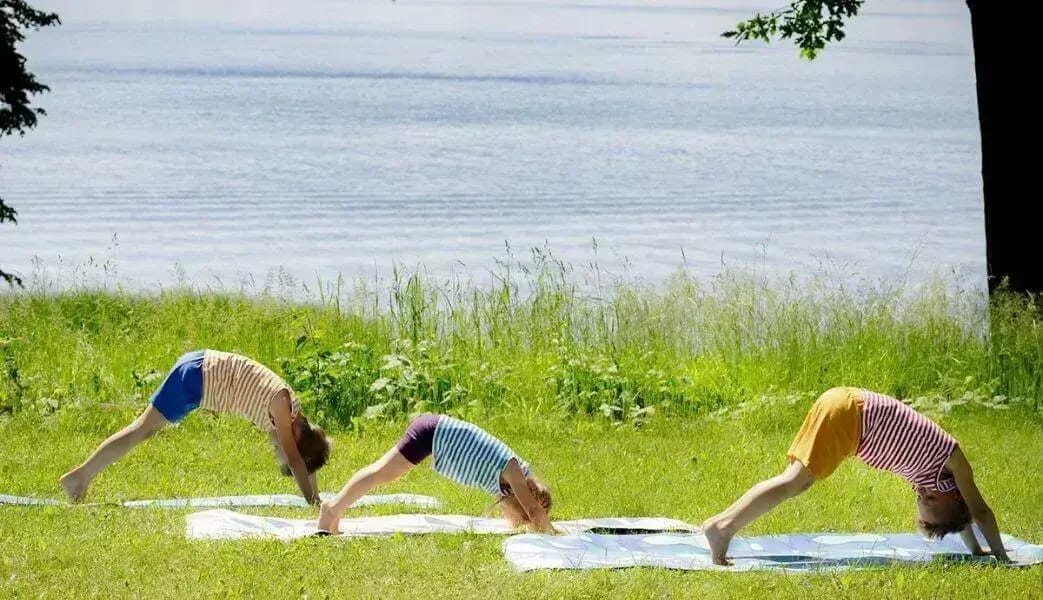
Yoga for children is a way to introduce a healthy, useful and very interesting activity into a child's life. Adults who practise can do yoga with their children, others can choose classes for their children to attend. So is it worth practising yoga with children?
Yoga with children is a great idea for spending time together, developing and strengthening a sense of closeness. Some mums are able to exercise with babies, which happens when the little ones aren't too demanding and it's enough for them that mum is nearby. People who practise yoga often find that during sessions done at home, their children watch them with interest and try to imitate the parent. This happens even with young children. However, starting regular classes should be postponed a little, although of course children can become familiar with yoga at a younger age simply by watching their parents.
Yoga exercises for children – can children learn this technique?
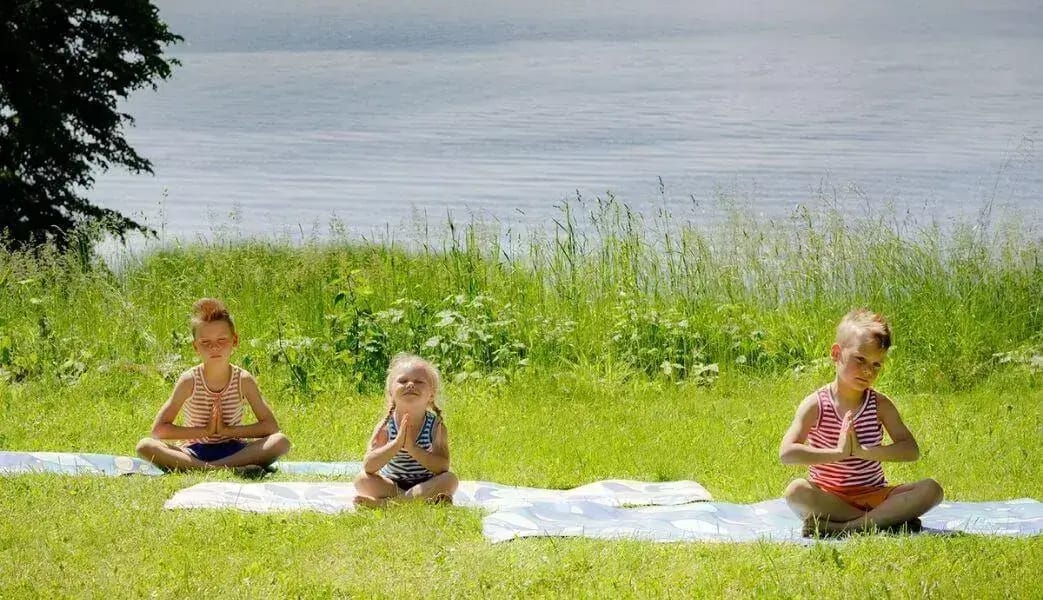
photo: Polish mother businesswoman
Children learn very willingly and very quickly, all you need to do is create the opportunities and space for it. More experienced parents can start teaching yoga to their children on their own, while others who don't practise themselves, or don't feel confident enough to teach their child, can use children's yoga classes. Of course, such classes require a lot of imagination and creativity from the instructors so as not to bore the kids. Yoga for children must differ from that for adults, especially when little ones are exercising.
When can you start yoga for children?
Yoga for children can be practised even with younger children. Four-year-olds should already be able to cope with imitating positions, learning to control their body, maintain balance, and concentrate on the task at hand. Awareness of one's own body and controlling it allows for simple exercises to be performed even at this age. Of course, the exercises must be adapted to age.
Yoga exercises for children
A position performed during yoga is called an asana. There are many positions – standing, sitting, inverted asanas. Their names often derive from associations that a particular position evokes. They refer to things, objects or creatures from the surroundings. It is very popular to name asanas after animals or plants. Popular yoga positions include the "lotus flower", the "downward-facing dog", the "lion", the "eagle", and the "tree". An interesting name can be a good inspiration to encourage children to exercise. Animal names will certainly attract attention and spark curiosity. This will be a good starting point for exercises. Children's yoga is above all about fun. A good instructor will run the class in such a way that even the most restless child will be able to focus, gaining their interest by engaging their imagination and senses, using interesting stories or attractive props.
What are the benefits of children's yoga?
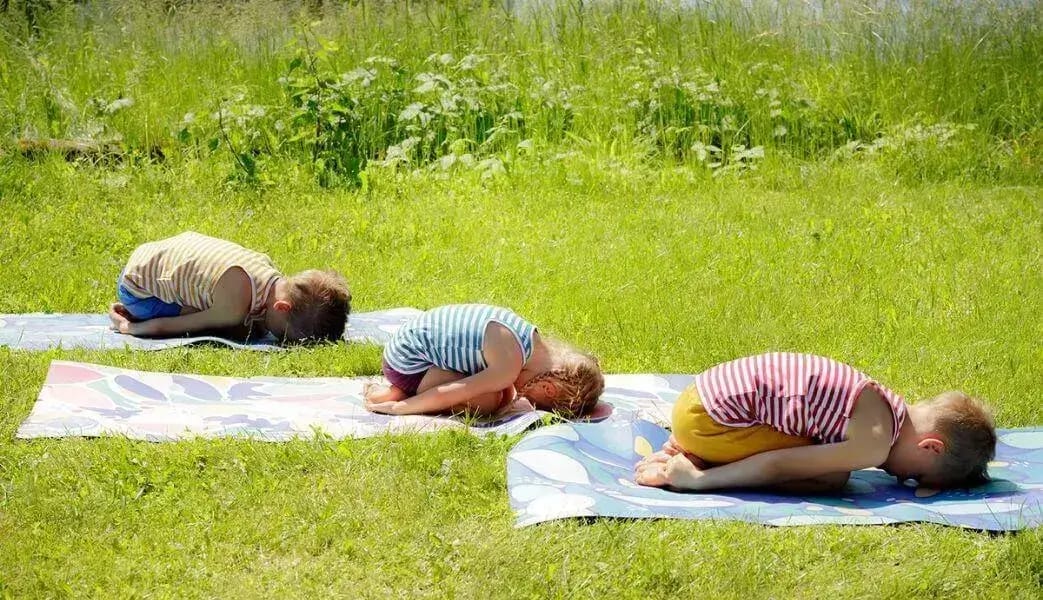
photo: Polish mother businesswoman
Yoga develops not only physical fitness but also affects mental development. Yoga exercises have a beneficial effect on health, on the nervous, respiratory, circulatory and immune systems, as well as on the muscles. Children become calmer, and their emotional state improves. Classes can also help improve self-esteem. Here are some of the benefits that yoga for children can bring:
- Improved flexibility, strengthened muscles. Children are more flexible than adults, and practising yoga will help them improve and maintain this flexibility for longer. The exercises also improve posture and correct defects.
- Learning concentration. Concentration during classes also helps train children's memory.
- Learning to breathe, breath control. It makes it easier to cope with stress and negative feelings
- Increased awareness of one's own body.
- Learning to function and work in a group.
- Learning patience.
- Learning consistency.
- Learning discipline.
- Learning about and respecting one's own limits.
- Calming down, relaxation.
- Increased creativity, improved emotional intelligence.
- Learning equality within the group, accepting differences.
Thanks to their high joint flexibility, children are much better at performing many yoga positions than the average adult
Kids' yoga – what will you need?
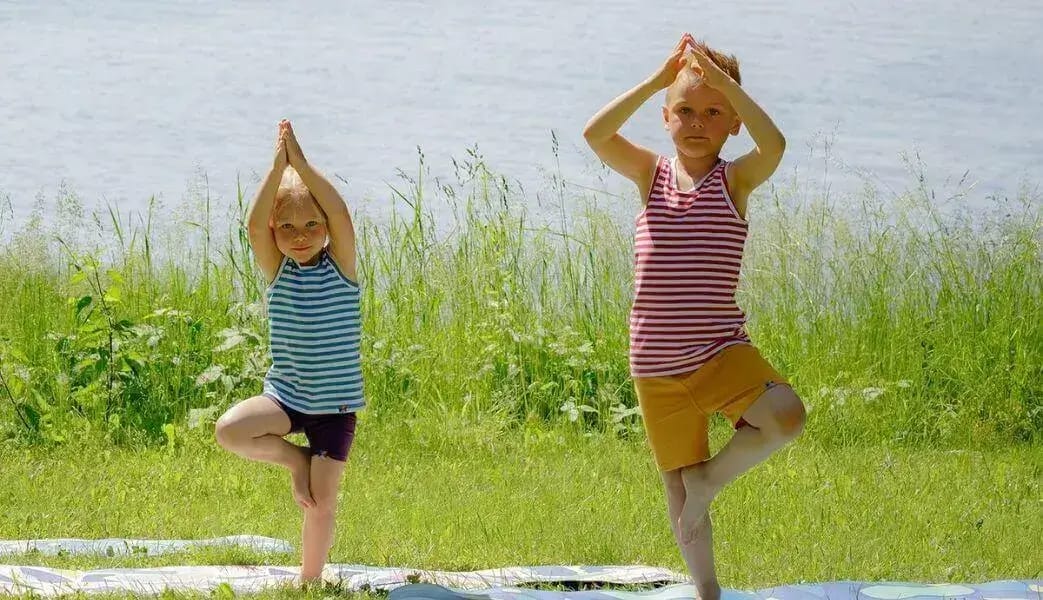
photo: Polish mother businesswoman
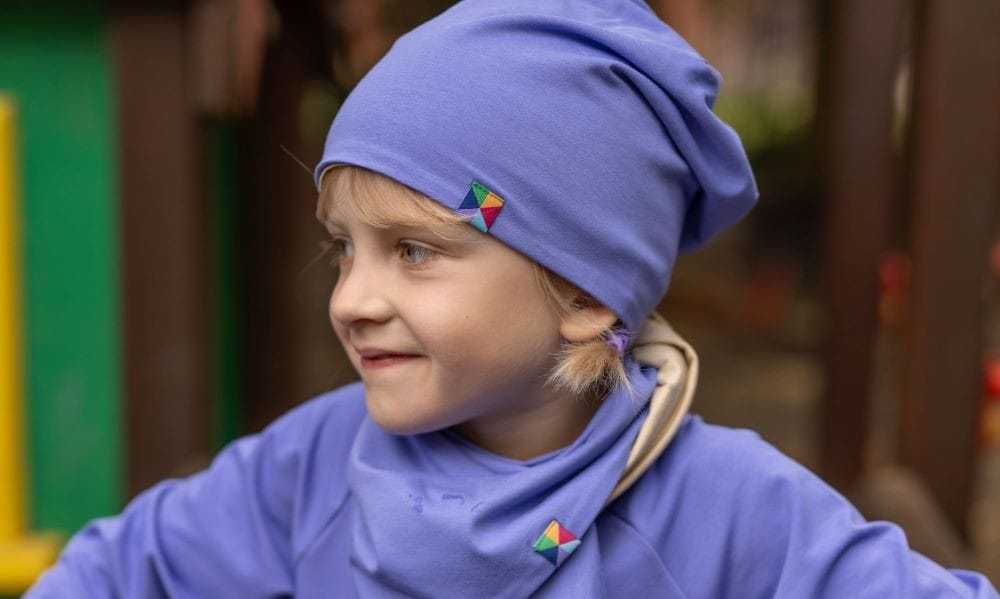
Yoga doesn't require much preparation. The most important things are comfortable clothing and an exercise mat. The mat is meant to prevent slipping and should also provide good cushioning. An essential element for comfortable yoga practice, however, will be appropriate clothing. It must be comfortable. For children's yoga, green short leggings for children work well, as does their longer version – light blue ¾ leggings for children, as well as navy blue leggings for children. The length of the trousers should be adapted to the circumstances and place of exercise. For outdoor classes, it's worth considering the weather when choosing an outfit. On warm days, caramel thin shorts for children and white tank tops for children work best. Of course, colours can be chosen according to your own taste, we have only indicated which models may be useful. They are comfortable, contain 95% cotton and are stretchy. They work perfectly for exercise. It's worth remembering that clothes, especially tops, shouldn't be too loose, as this can cause discomfort, hinder certain movements, and in the case of girls, expose parts of the body during certain positions that they may not want to show.
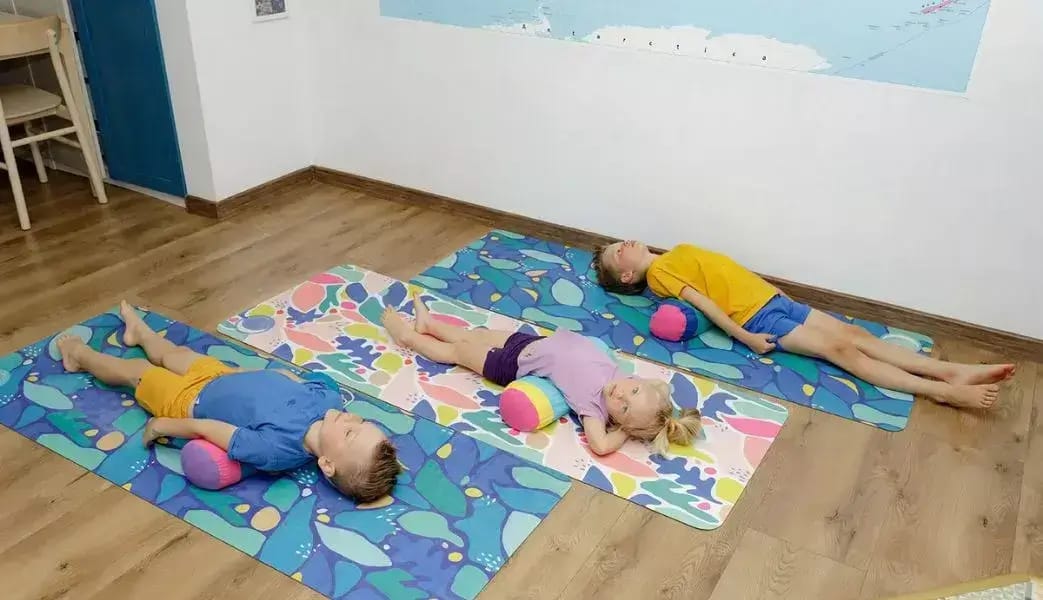
photo: Polish mother businesswoman
Light blue T-shirt for children, light purple T-shirt with pocket for girls and mustard T-shirt for children
There is no competition in yoga, it's an activity for everyone. For children's proper development, not only learning but also physical development is needed. It's worth trying yoga with your child or children's yoga classes. It's developmental and allows you to get to know yourself better. The class variants are adapted to children's abilities as well as their physical condition. A good teacher will take into account any physical defects and limitations in children. They will avoid positions that could aggravate them. Well-conducted classes will be beneficial for children, but of course, they cannot be forced. If a child doesn't take to this type of exercise, they shouldn't be forced to do it. Perhaps it's worth trying to return to the idea after some time? Certainly, yoga for children cannot be compulsory, although most children who have started learning have come to really enjoy the classes.
Photos: Polish mother businesswoman
Other posts from this category
.jpg)






Get EUR 10 off your order over EUR 100
By clicking „Sign up” I voluntarily agree to subscribe to the newsletter in order to receive marketing information, including promotions, discount codes, and the latest MyBasic products. I understand that I can withdraw my consent at any time. The controller of your personal data is MyBasic Sp. z o.o., ul. Rzędziana 11, 05-080 Izabelin B, KRS: 0000776465, NIP: 1182190916, REGON: 382808588, BDO: 000540511.