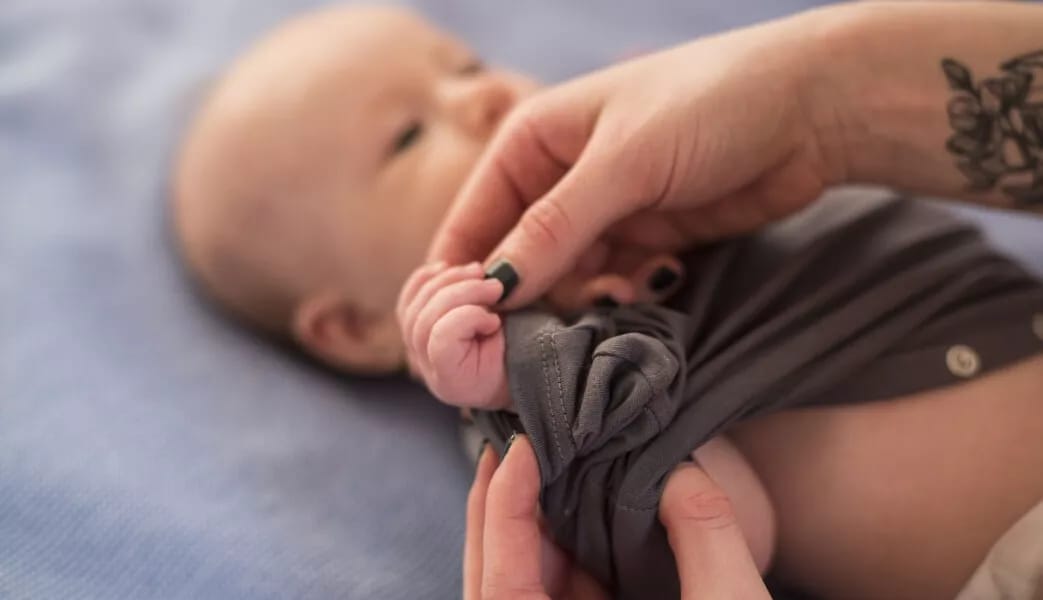
Do your clothes lose their shape and colour after washing, or worse, get stained during the whole wash? Washing isn't a difficult art - you just need to follow a few rules so that washing children's clothes doesn't bring any unpleasant surprises. Here are a few tips on how to do it well, quickly, and without damaging them.
Clean and fresh-smelling clothes after washing - what to remember
What should you wash children's clothes in to keep them clean and nicely scented? For older children, you can choose scented powders and liquids, but for the youngest ones, you should avoid them. Liquids with a mild scent work well. The way you dry the clothes is also important for cleanliness and wash quality. They should be dried in a well-ventilated place to avoid mould. If possible, it's worth drying clothes outdoors, but they shouldn't be exposed to direct sunlight, as this can harm more intense colours. A shaded spot is best.
Washing clothes for newborns and infants
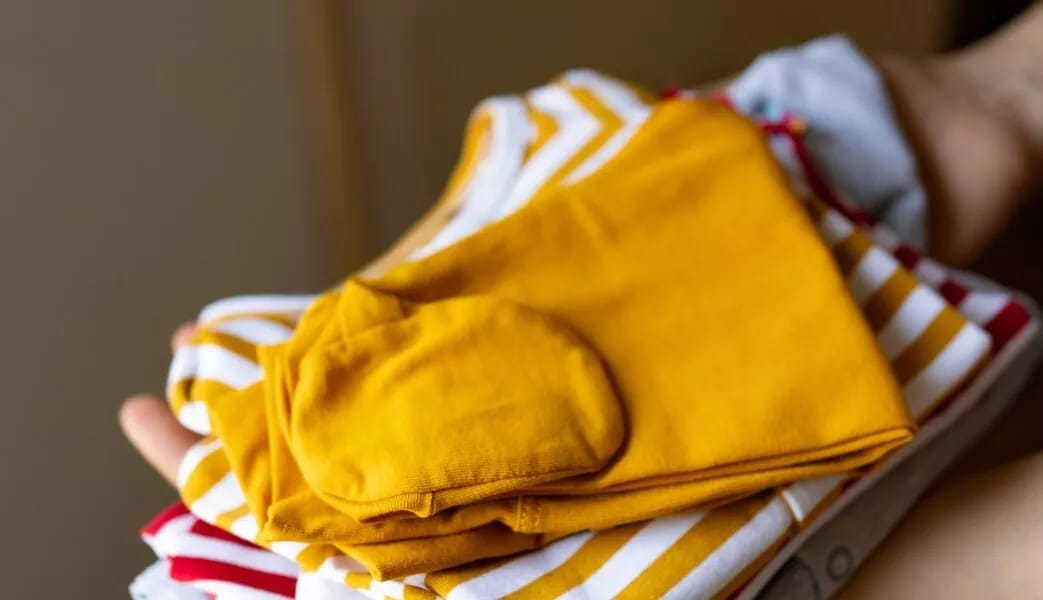
From the moment a baby is born, parents surround them with special care. Washing newborn clothes is also a bit different from washing clothes for adults or older children. How should you wash baby clothes, and what should you pay special attention to?
- The first issue is choosing what to wash baby clothes in. Babies are a very demanding group of consumers who need washing products dedicated to very sensitive skin. A gentle powder or liquid will be needed - the fabric of the clothes is in constant contact with the skin, which is much thinner and weaker than an adult's, does not yet have fully developed defence mechanisms, and has a thinner hydrolipidic barrier than adults. It's good for the washing product to be hypoallergenic and to have certificates, e.g. issued by the Institute of Mother and Child.
- The second issue is choosing how to wash baby clothes, i.e. what temperature to select. It's also important to know at how many degrees to wash children's clothes at the very beginning. It's best to choose the highest possible option. A high washing temperature, e.g. 90°, helps remove fungi, bacteria and any substances dangerous to the baby. It's best to wash bedding, nappies or underwear at 90°, and clothes at 60°. However, caution should be exercised here, and the temperature should be adjusted according to the manufacturer's recommendations.
- If fabrics cannot be washed at higher temperatures, it's worth ironing them. High temperature will kill bacteria and allergens that were not removed earlier. Such sterilisation should also apply to towels and bedding. It's worth doing this for at least the first few weeks of the baby's life. It's therefore important to choose good-quality fabrics that can withstand high temperatures - 100% cotton fabric works perfectly here. As you can see, washing and ironing newborn clothes is an important part of caring for them.
- Another important issue is washing new clothes before putting them on a newborn. It's worth doing this for hygiene and safety reasons. We should do the same with baby bedding. Quite a lot of dirt may have settled on them during production or transport, so it should be removed before the first time the child wears them.
Apart from how to wash children's clothes, it's equally important to know how to rinse them. It's important to do this thoroughly so that no residue of powder or liquid remains on the fabric. Today, most clothes, even those for the youngest, can be safely washed in a washing machine, which definitely makes parents' jobs easier.
What to wash children's clothes in?
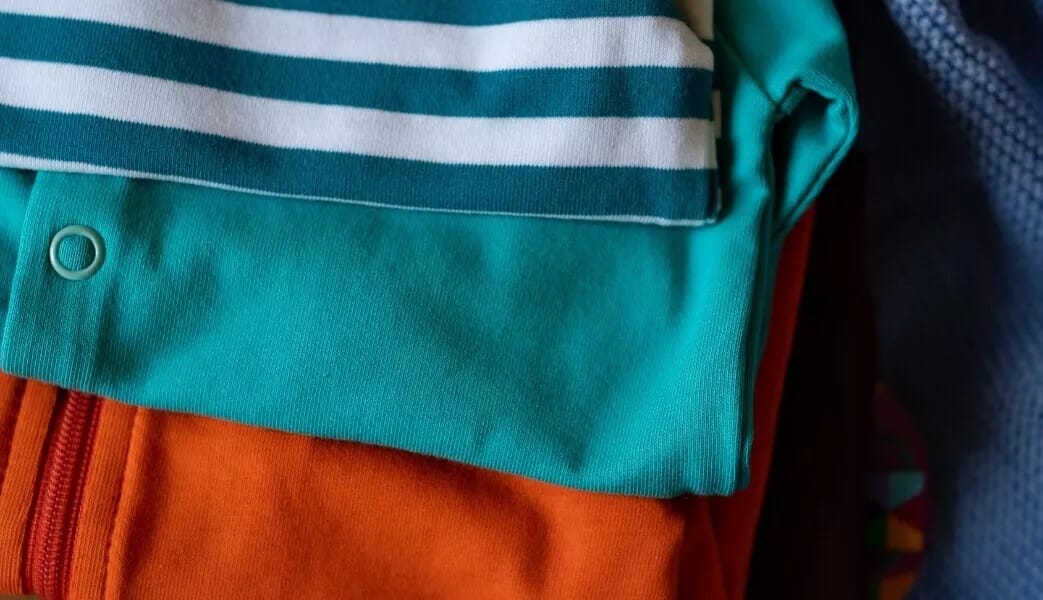
As already mentioned, for newborns we should choose the gentlest washing products, suited to this demanding group. When washing in a machine, it's worth choosing a longer and more thorough washing programme, which will not only wash the clothes well but also rinse them properly. For hand washing and particularly sensitive children, we can use gentle soap flakes. However, once children grow older - ideally at least a year old - you can think about changing washing products. It's still definitely better to use special powders for the first few years of the child's life.
Remember to check the labels on clothes
Before every wash, you should familiarise yourself with the manufacturer's care instructions for the clothes. Failing to follow them may result in the garment being damaged. Some products also require special treatment due to their specific nature. For example, a short-sleeve gift T-shirt will require a different approach than a classic T-shirt. Only individual treatment allows for maintaining the excellent quality of clothes. That's why, with every new piece of clothing, we should familiarise ourselves with how to care for it. A long-sleeve T-shirt for decorating requires different washing than standard clothes. Such children's T-shirts should be treated very gently after being painted. They can be washed at a maximum temperature of 30° and only spun gently. It's best to wash the T-shirt separately, and hand washing will also be most beneficial. This clearly shows that for safe and effective washing, you need to familiarise yourself with the manufacturer's instructions. This will definitely extend the life of the clothes and keep them looking good.
Other posts from this category
.jpg)






Get EUR 10 off your order over EUR 100
By clicking „Sign up” I voluntarily agree to subscribe to the newsletter in order to receive marketing information, including promotions, discount codes, and the latest MyBasic products. I understand that I can withdraw my consent at any time. The controller of your personal data is MyBasic Sp. z o.o., ul. Rzędziana 11, 05-080 Izabelin B, KRS: 0000776465, NIP: 1182190916, REGON: 382808588, BDO: 000540511.