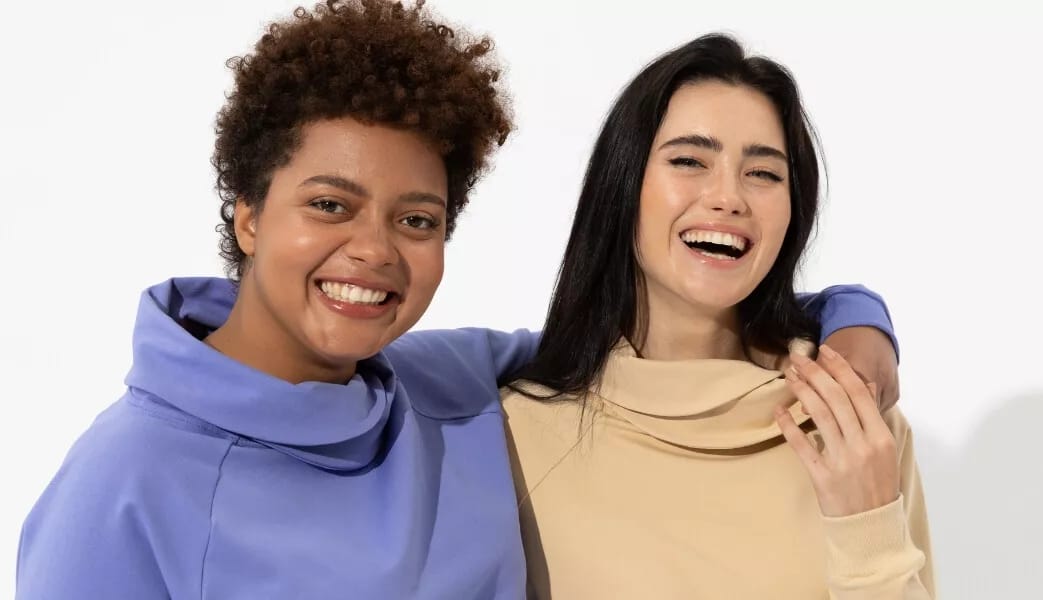
Accepting your body is not always easy. The body positive movement promotes a positive attitude and shows the body in a natural way. Find out what body positivity is.
What is the body positive movement?
The body positive movement has its roots in a social movement founded in 1967, known as the Fat Acceptance Movement. This movement was born in response to discrimination and the stigmatisation of overweight people. The second wave of the movement's formation, from which today's body positivity grew, took place in the 1990s. Ultimately, it gained momentum and spread widely in the 21st century, becoming an important voice for self-acceptance and changing perceptions of one's own imperfections.
What is body positive?
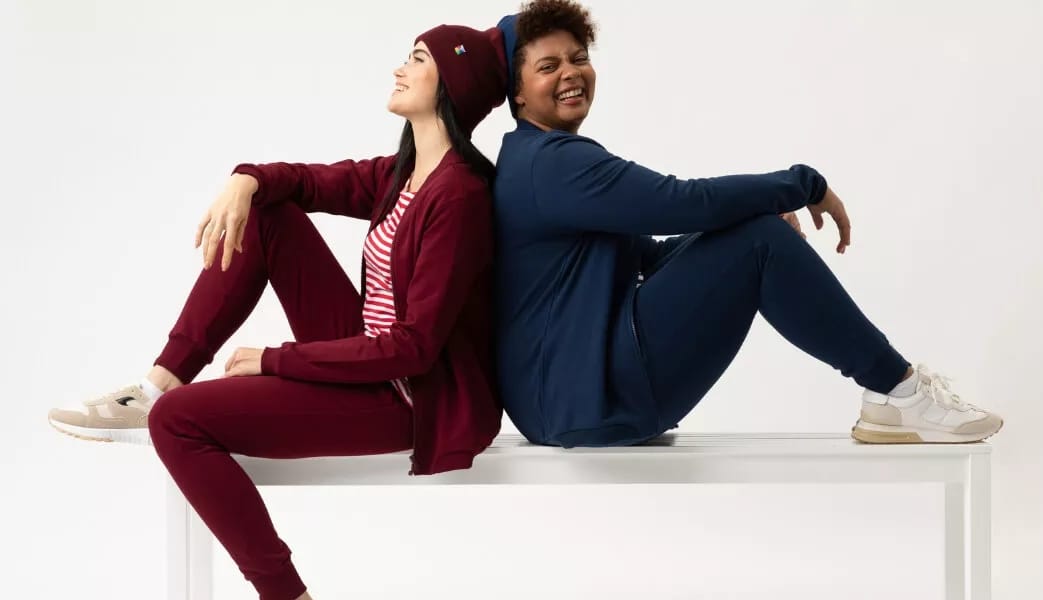
Body positivity – that is how this term is translated. Body positivity means accepting your body as it is. It's about accepting your own appearance and loving it despite its flaws and imperfections. Here are a few principles that define it:
- every body deserves respect, without exception. It doesn't matter whether it's a slim or overweight body, its shape, colour or age, nor its fitness or gender,
- full acceptance of your body regardless of its appearance,
- taking care of your body, ensuring its health.
The spirit of body positivity is not only about self-acceptance - it also leaves no room for criticising or judging others. This movement was created in response to an obsessive and unhealthy pursuit of perfection. The perfect body became the most important achievement, and this idea was often pursued at the expense of life and health. Focusing on appearance had a negative impact on mental wellbeing and deepened complexes. The press, the Internet and television showed unrealistic images of the female body that were impossible to live up to. This caused frustration and low self-esteem in many women who felt inferior. Fortunately, body positivity has replaced the oppressive culture of the perfect body with acceptance, care and love for it.
Positive changes of a positive movement
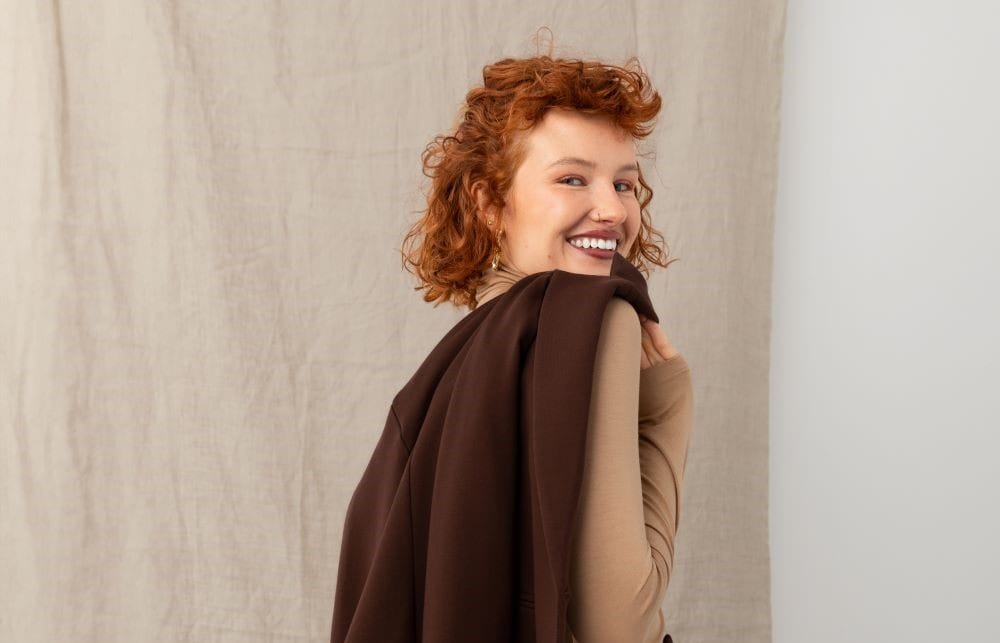
Thanks to the spread of body positivity in the media and on Instagram, emaciated and unnatural bodies of models or retouched photos that people unsuccessfully tried to match no longer reign supreme. There are more and more natural photos of celebrities, actors and influencers. You can see stretch marks, imperfect bodies with cellulite or skin imperfections – perfection is merely an invention of the mass media, which tried to fit women into a single, top-down standard of beauty. More and more varied figures, skin tones and beauty types are appearing. This shows that there is no single canon of beauty, which has allowed many women to accept their flaws, breathe a sigh of relief and stop chasing an unattainable body. It has also protected many girls from eating disorders, which were significantly fuelled by idealised depictions of perfect, eternally youthful bodies.
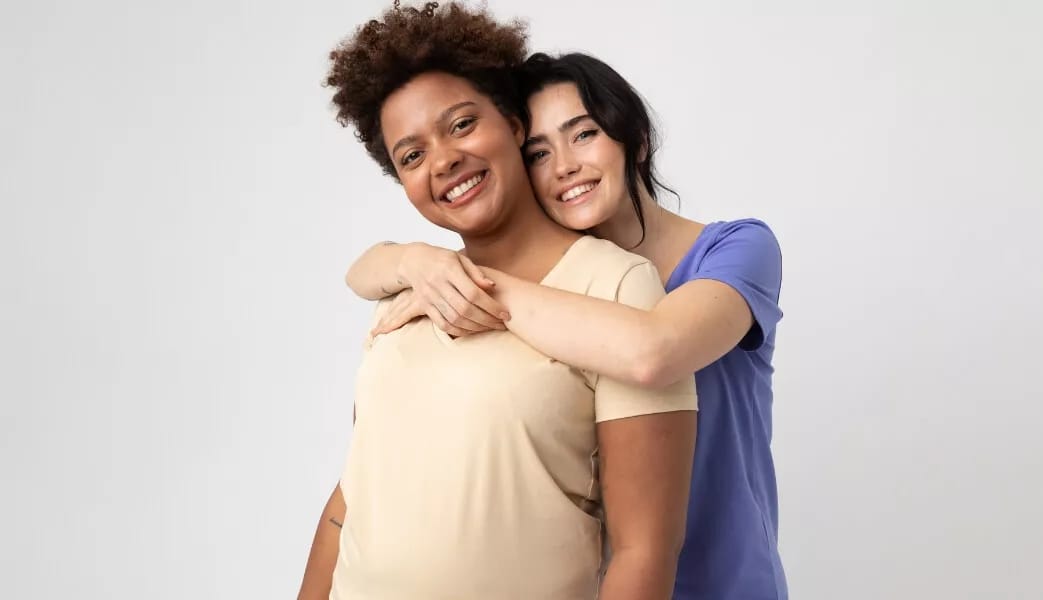
Wise love, as the principles of body positivity could be understood, doesn't have to mean acceptance of obesity. Although opinions are divided on this matter – some people see the body positive idea as unconditional adoration of the body, without paying attention to its needs or health. Most people disagree with the belief that this movement supports and idealises obesity, seeing a clear difference between acceptance and praise.
Due to such doubts, body positivity also receives negative opinions. Some people turn away from this movement towards the body neutrality trend. Rather than praising physicality and the body itself, it draws great attention to the possibilities that our own body gives us. What matters is not its appearance but what we can achieve thanks to it. It gives us the strength to work, learn and relax. For people who haven't quite managed to love themselves, this trend becomes closer to their hearts. It calls for treating the body with care and respect, looking after it and keeping it healthy. It places great emphasis on accepting things we have no control over.
Body positivity in fashion - choose clothes that make you feel good
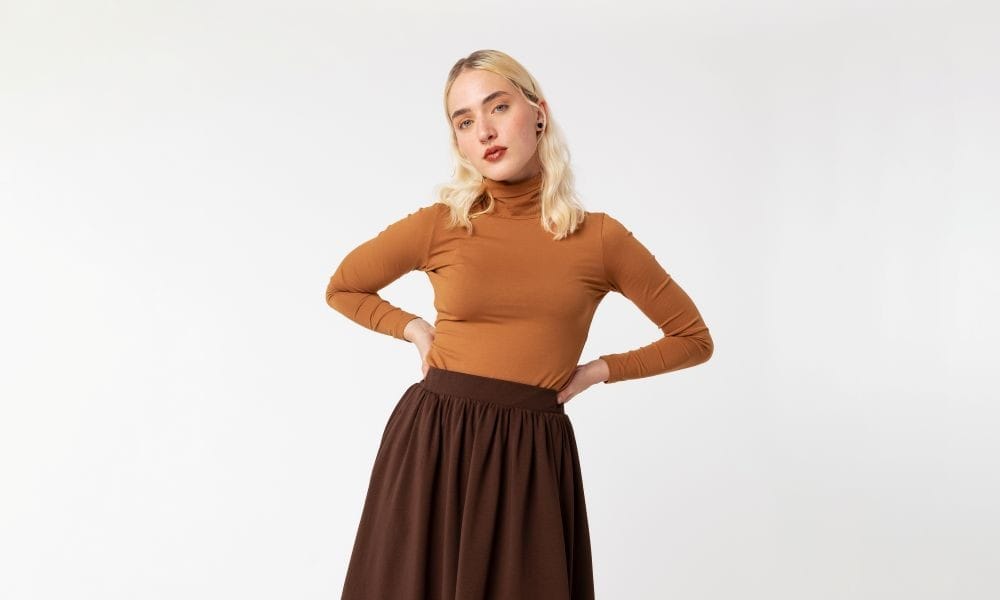
Show business, including the fashion industry, has focused heavily on the idea of body positivity and put many of its principles into practice. On the catwalks, alongside classic models wearing size XS, plus-size models are also appearing. Special plus-size collections are being created, and plus-age models are no longer a surprise either. Plus-size collections show that fashion is for everyone and that everyone should enjoy it. Fashion doesn't exclude anyone, whether because of size or gender.
Perhaps the first good step towards joining the body positive or body neutrality movement would be to stop using filters on social media?
Other posts from this category
.jpg)

Get EUR 10 off your order over EUR 100
By clicking „Sign up” I voluntarily agree to subscribe to the newsletter in order to receive marketing information, including promotions, discount codes, and the latest MyBasic products. I understand that I can withdraw my consent at any time. The controller of your personal data is MyBasic Sp. z o.o., ul. Rzędziana 11, 05-080 Izabelin B, KRS: 0000776465, NIP: 1182190916, REGON: 382808588, BDO: 000540511.