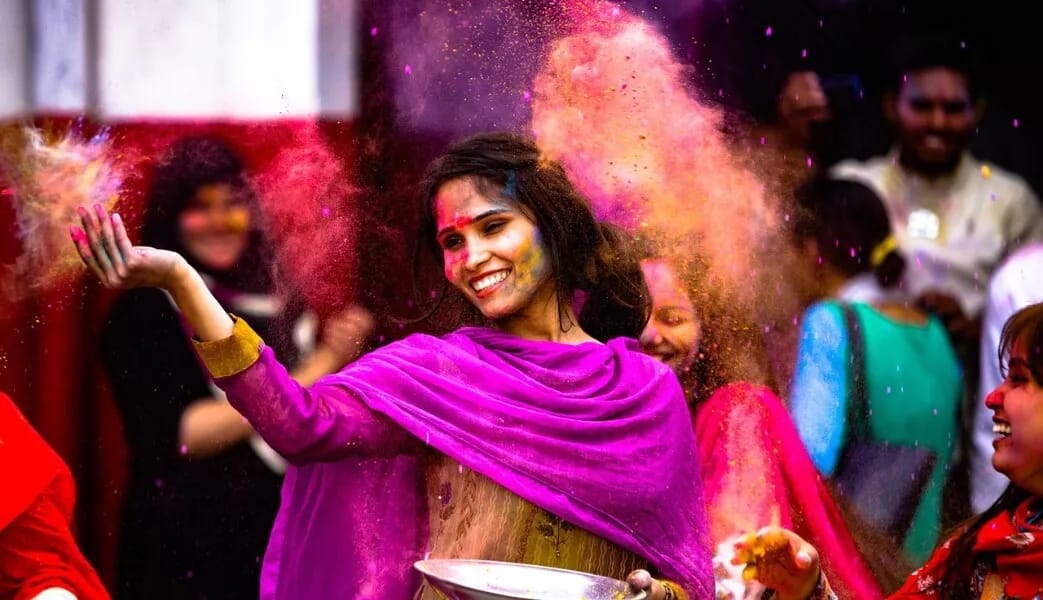
The arrival of spring can be celebrated in many ways. The Holi festival is one of them. See this joyful festival of colours, heralding the end of winter, and let yourself be carried away by the fun. Unforgettable experiences guaranteed.
What is the festival of colours and how is it celebrated?
The end of winter is a joyful moment, eagerly awaited by everyone longing for sun and warmth. Spring is, after all, the anticipated period of abundance that ends the lean winter time. The Holi festival of colours is a moveable feast. It usually falls at the turn of February and March, in the month of Phalguna – during the first full moon of that month. In southern India, the celebrations of the festival of colours are more modest, while in the north, where the arrival of spring is more pronounced, the celebrations are more elaborate. Depending on the region, the festivities can last several days.
Holi - the Hindu festival of spring, joy and colours
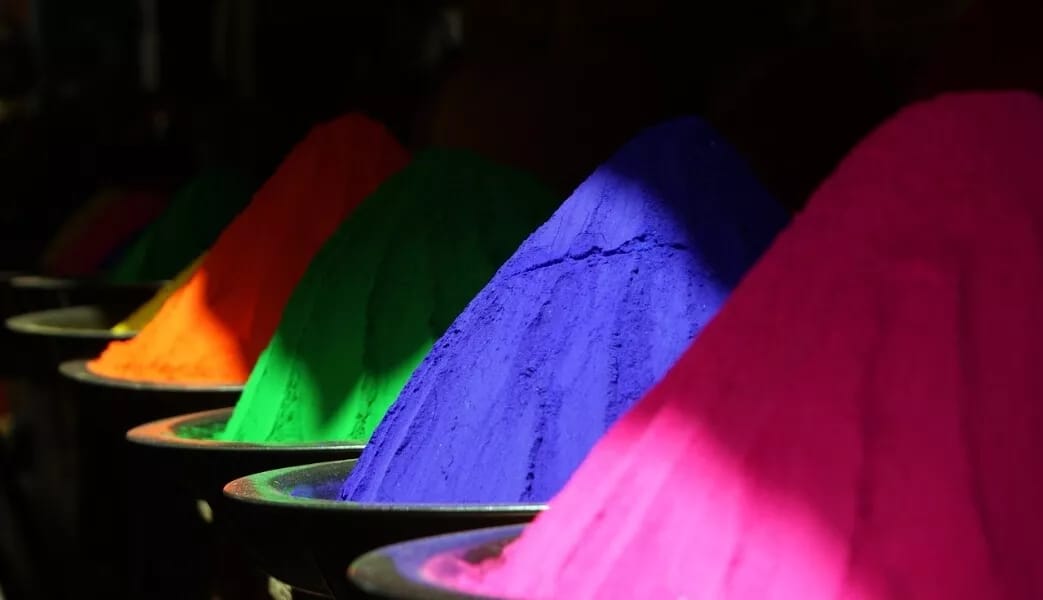
What is the festival of colours? Holi is a festival of reconciliation. On this day, there are no castes, no matter of age or gender. There is joy and freedom. Enemies are forgiven and everyone celebrates together.
On the day before the festival - Holika Dahan, huge bonfires are lit, around which the fun continues. This is done to commemorate the events of the legend, which refers to the burning of Holika, who wanted to kill her nephew Prahlada. However, it was Holika herself who died in the fire. This evening honours the victory of good over evil. Prahlad emerged unscathed from this trial, thanks to his trust in Vishnu, while Holika was punished. Light defeated darkness, and the bonfires are a symbol of this. The joyful dances around the fire are a result of the happiness at the victory of good.
The next day comes the time for the festival of colours. From the morning, everyone wishes each other well, and the painting begins with making a dot on the forehead. During Holi, natural dyes were used, for example from flowers. Everyone showers each other with coloured powders and pours water over one another. One could find similarities here to our Śmigus-Dyngus. Joy, music, singing - these words best describe this colourful day.
How does the Holi festival of colours take place and what does it look like?
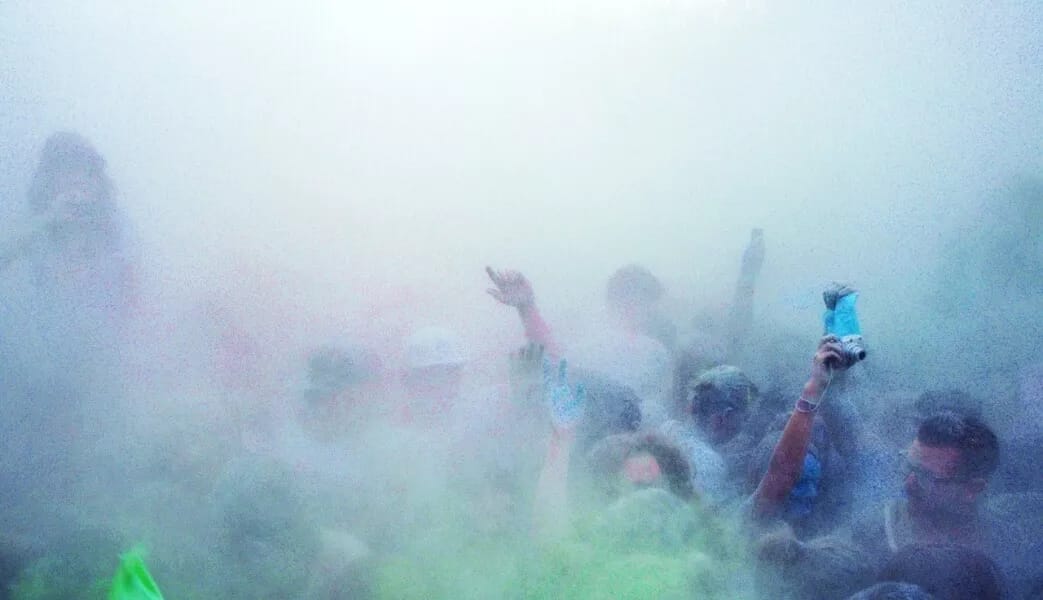
The Indian festival of colours is now celebrated all over the world, especially by people of Indian origin. It was they who popularised it on other continents. In Poland, the Holi festival probably arrived from the USA. Here it has a completely secular character, unlike the original. The Holi festival of colours is held in several cities in Poland. Every year, events modelled on the Indian festival are organised, mainly in the summer. If you want to feel like you're at the Holi festival of colours, it's worth going to one. These are very positive, colourful events. It's just worth paying attention to the origin of the powders used during the fun - they should be of natural origin. This is safe for both participants and the environment.
When is the Hindu festival of colours celebrated in 2023?
As we've already mentioned, the Indian festival of colours is a moveable feast. There is therefore no strictly fixed date. In 2023, Holi falls on 8th March. If anyone can afford it, it's definitely worth going to experience this amazing day of colours during this period. Barsana and Nandgaon are the towns where it's best to spend this day, as symbolic colour battles take place there.
Other posts from this category
.jpg)





Get EUR 10 off your order over EUR 100
By clicking „Sign up” I voluntarily agree to subscribe to the newsletter in order to receive marketing information, including promotions, discount codes, and the latest MyBasic products. I understand that I can withdraw my consent at any time. The controller of your personal data is MyBasic Sp. z o.o., ul. Rzędziana 11, 05-080 Izabelin B, KRS: 0000776465, NIP: 1182190916, REGON: 382808588, BDO: 000540511.