
The first few days of nursery are behind us. What are your impressions? Is your little one enthusiastically enjoying meetings with friends, does he or she like the nursery carers and learn new things with curiosity? In a few weeks, the new schedule and lifestyle will be completely normal, but now it's worth thinking about whether there's something you should change, buy, or adapt.
Let's take a look at what can help in adapting to the new reality…
1. A positive approach matters
The first days bring a lot of novelty, so it's worth closely observing your child and their reactions. Keep emphasising the positives, share your own and your loved ones' memories, look for the good side of every situation, support the role of the carers, etc. But above all – talk to your child so you stay up to date and can catch, if needed, a situation that requires intervention. Pay attention to the emotions your child expresses as well as those they don't show directly – body language, facial expressions, read between the lines.
2. Let your child cry
After all, it's a way of releasing tension and dealing with emotions. I know it's hard, that you want to take them home right away and never bring them back. However, don't show your own emotional distress in front of your child – crying together with them would be the worst thing you could do. Let them cope with their emotions this way, support them, but stay firm – you need to distinguish crying as an emotional release from crying meant to force you to let them stay home or to get a reward "for being brave". Support them, but don't let yourself be softened by that – it leads nowhere.
3. Watch how your child copes with daily activities
Check whether everything is going as it should, or whether they need help with something, or need it explained or shown again. Once more, take a look at dressing, eating, using the toilet, washing hands, etc. Also check whether they can communicate their needs without any problems – after all, we want them to feel as comfortable as possible at nursery, so they need to be able to say they're thirsty, need the toilet, or that something hurts.
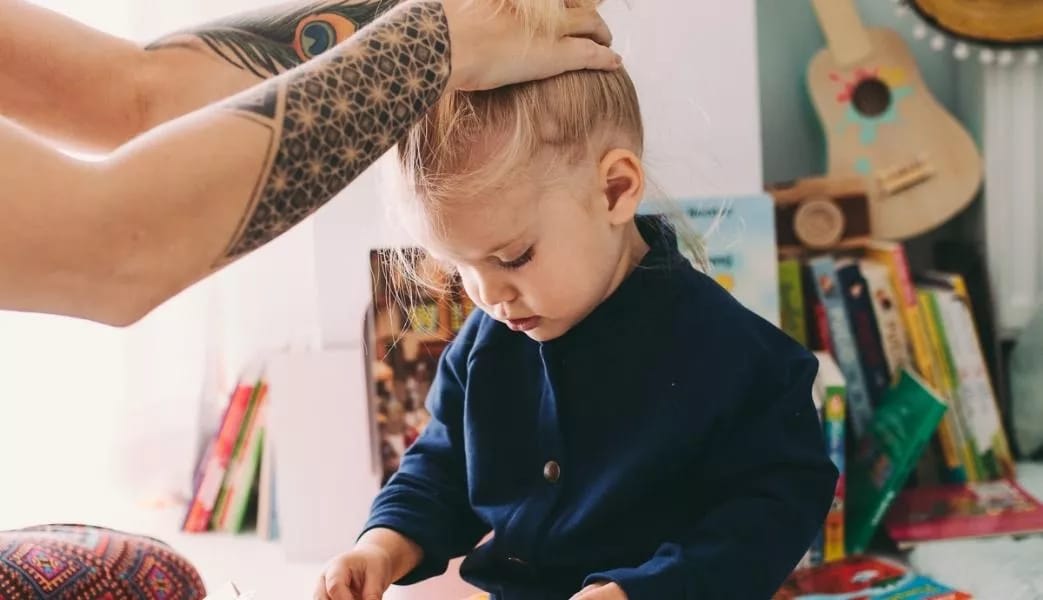
4. Remember to keep a supply of masks
Your child may need them at any moment, and they're a small item that's easy to lose. It's better to buy more and keep them both in the nursery locker and at home.
5. Check that you have all the elements of the nursery kit
You can always forget something or not know that it will be needed or simply useful. Remember that a nursery bag and slippers will come in handy as basics. If, in these special epidemic conditions, your nursery still allows brushing teeth and bringing your own toys, it's worth equipping your child with their favourite toothbrush, toothpaste, and a comfort toy (for the tougher moments in nursery life).
It's worth providing your child with this set of clothes kept at nursery:
- 2 pairs of trousers or leggings,
- 1 short-sleeve T-shirt,
- 1 long-sleeve T-shirt,
- 2 pairs of pants,
- 2 pairs of socks,
- 1 sweatshirt.
6. Don't make life difficult for yourself or your child when it comes to clothes
Remember that for a toddler, buttons or shoelaces are still a real nuisance! To make it easier for them to adjust to the new situation, don't dress them in button-up clothes. For a beginner nursery-goer, the best options are T-shirts and dresses pulled over the head, as well as comfortable (preferably zip-up) sweatshirts. And of course elastic-waist trousers, without a button or laces. It's best if they're not jeans or other stiff fabrics that are harder to put on. All so that your child feels as comfortable as possible during the hours spent at nursery.
7. Spare clothes, because accidents happen to the best of us
Everyone remembers the bag with spare pants and trousers, as that's the basics after all. But did you also remember that an extra top might come in handy too (juices or soups tend to splash) as well as socks (sometimes tempting puddles appear during walks)?
8. Make waking up in the morning as pleasant a ritual as possible
Favourite clothes, easy to combine even by the child themselves (and you'll find plenty of options with us!), shoes they love to wear, simple and well-liked breakfasts (let's leave culinary experiments for the weekend). There can also be a vision of some favourite activity after coming home – e.g. a walk with jumping in puddles or a stop at the park with a playground.

9. Note that time still doesn't exist for your toddler the same way it does for you
That's why it's best to agree with them that, for example, you'll come back for them after lunch, after their afternoon snack, or after a walk – depending on the nursery's schedule and your own options. And then be punctual and keep your word, as it's very important to the child!
10. Don't forget about the influence of the peer group
For many young children, nursery is the only chance to meet friends, play together and learn the rules of functioning in a group, especially in the current situation. However, there will regularly be situations where you'll need to explain to your child that not everything their friends from the group do is worth copying. Prepare yourself mentally, relax, and remember that adaptation can take quite a while! However, if fits of despair or anger last longer than two months, the situation needs to be analysed – it may be that the toddler isn't ready for nursery yet, or that the nursery isn't as it should be. Good luck implementing this new reality into your family life – fingers crossed that it goes as quickly and smoothly as possible!
Other posts from this category
.jpg)





Get EUR 10 off your order over EUR 100
By clicking „Sign up” I voluntarily agree to subscribe to the newsletter in order to receive marketing information, including promotions, discount codes, and the latest MyBasic products. I understand that I can withdraw my consent at any time. The controller of your personal data is MyBasic Sp. z o.o., ul. Rzędziana 11, 05-080 Izabelin B, KRS: 0000776465, NIP: 1182190916, REGON: 382808588, BDO: 000540511.