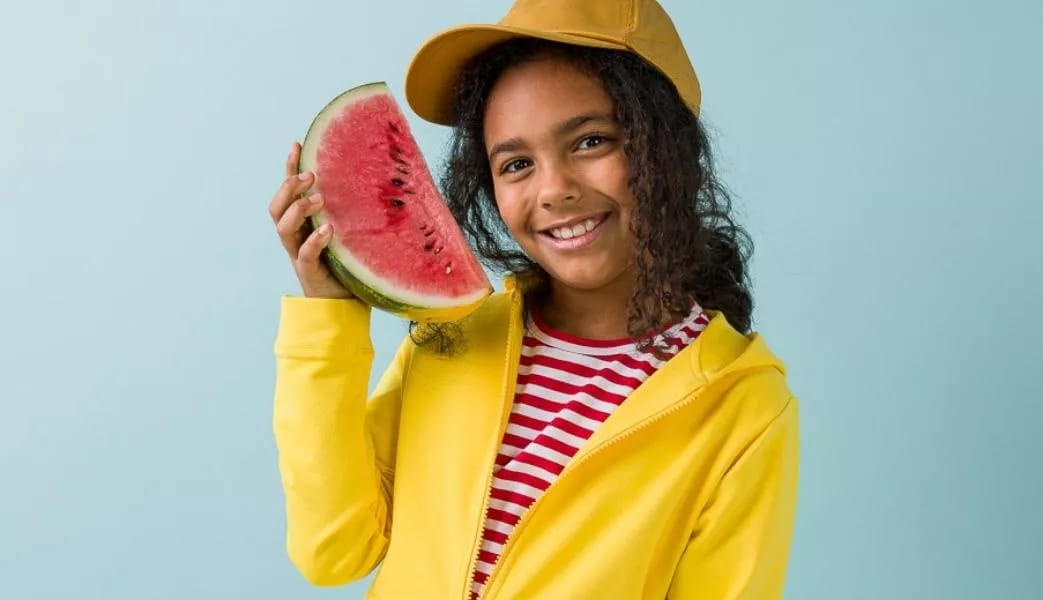
Golden Polish autumn is only just beginning to shyly colour the leaves in different shades. But we don't have to wait for it to give us a riot of colour! We can start using it ourselves, because colour psychology has enormous power. Colours have a huge impact on wellbeing and mood.
Colours have power - colour psychology
Using the right colours can calm, relax or stimulate – both children and adults. Being surrounded by different colours can give us more energy for life and more optimism. The meaning of colours in psychology is appreciated and put to use. That's why we're suggesting which colours to reach for in winter, so that children's moods stay as good as possible!
The meaning of colours in psychology
Colours evoke emotions, they are deeply rooted in symbolism and our experiences, and their impact is usually based on cultural differences. Colours influence behaviour, and each shade can carry different emotions and trigger different reactions. They affect how we perceive the world by influencing brain function. Their effects are often used in marketing, but we can all use their power every day to improve quality of life through colour. Colour psychology suggests how colour can be used to improve children's wellbeing.
Colours in psychology - how to use them every day
A child reaches full colour recognition already at four months old. The right colour palettes can support the workings of a tiny organism. Since a baby spends the early period of life in a cot or pram, attention should be paid to the baby's clothing and bedding, as they make up most of the surroundings they get to know. Colours accompany children constantly – from waking up, when they're greeted by the shade of the walls in their room, through the colours of breakfast ingredients on their plate, to the clothes they put on. Add to that the palette of seasonal colours served up by nature as the seasons change, and we have a solid, colourful mix that affects our emotions. Here are a handful of everyday ways to give little ones the colours that have a positive effect on their mood.
In autumn and winter, we play the green card - colour psychology can help improve wellbeing
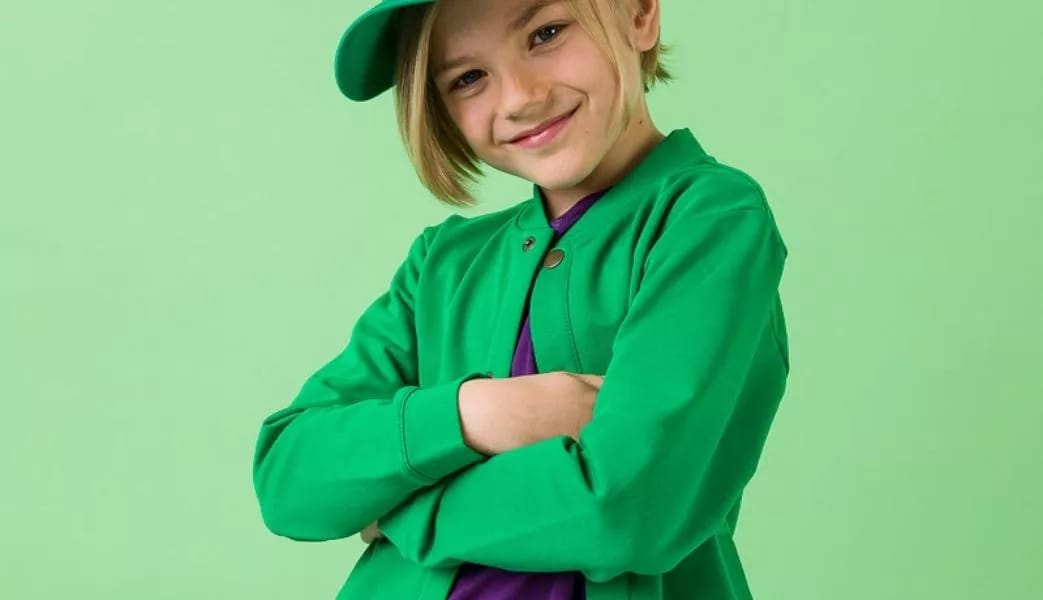
The juicy colour of grass and leaves is what we miss most in winter. While we have to wait until spring for young leaves and greening lawns, the greenery of year-round plants is within easy reach. In the dark and grey autumn and winter months, try to take children to the forest as often as possible – scientists prove that when a little one is upset, they subconsciously feel a need for contact with greenery. If you have a palm house in your city or nearby, add it to your list of weekend destinations.
The greenery of plants is soothing for tired eyes, eases tension and helps you relax. It's worth serving it up to the whole family every day. How about choosing potted plants together with your children to place in their room? Even small changes, drawing on the knowledge offered by colour psychology, can significantly improve a bad mood. Some actions require little effort, yet their effect turns out to be very good.
Colours in a child's room - colour psychology in the surroundings
Colour psychology in a child's room and harnessing its power offers a huge range of possibilities. A little one's home kingdom is their command centre, a safe nest, and often a reflection of their current preferences and fascinations. When choosing base colours for a child's room, opt for ones that will have a positive effect on their mood. For example: a peach shade of walls boosts vitality, blue relaxes, calms and helps with falling asleep, while brown and grey, when overused, drain energy. If your child has a favourite colour that you don't want to overuse in the room, think about accessories – a particular piece of furniture, a rug or curtains. For instance, pink, loved by children, generates optimism and calms emotions. Applying the knowledge from colour psychology in a child's room will certainly do your little one good, so it's worth taking the time to plan the colour scheme properly.
Colourful mood(booster)
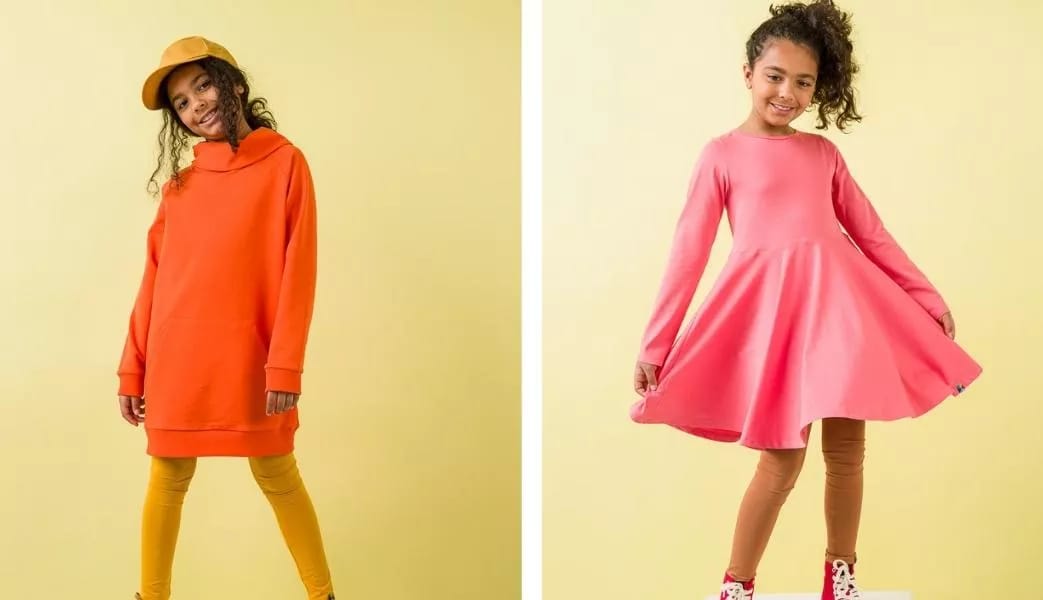
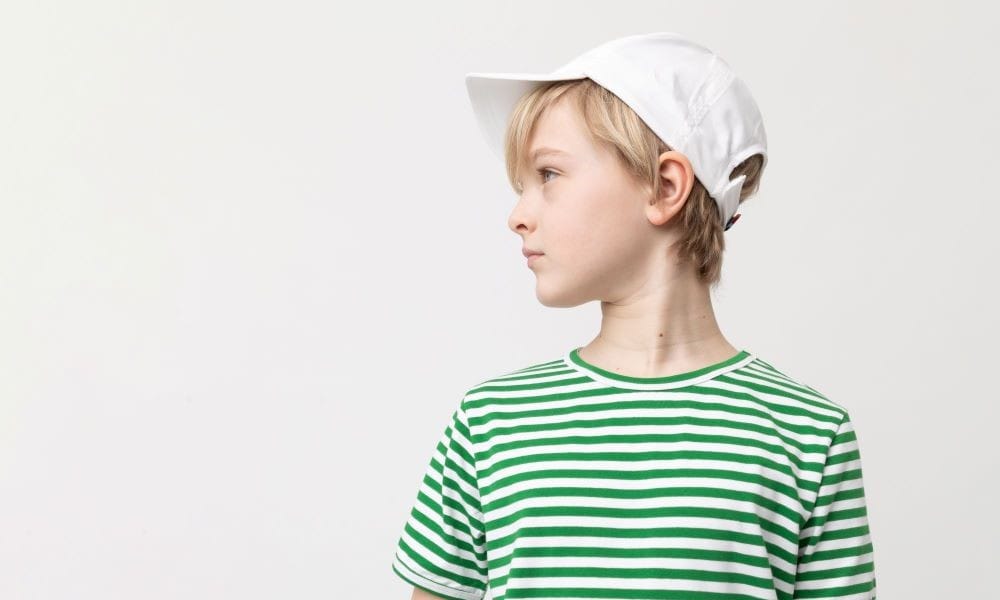
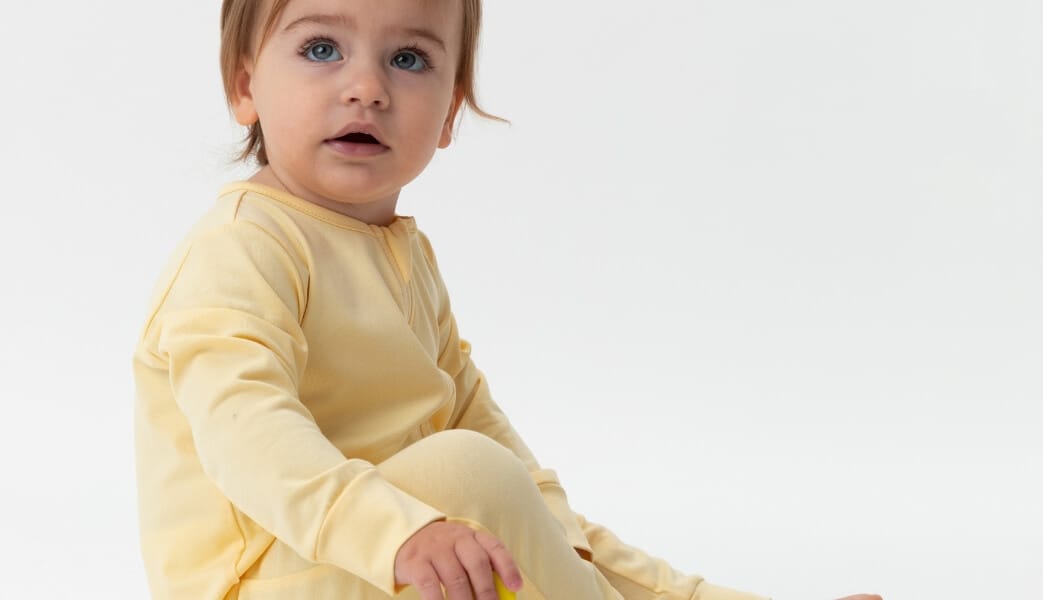
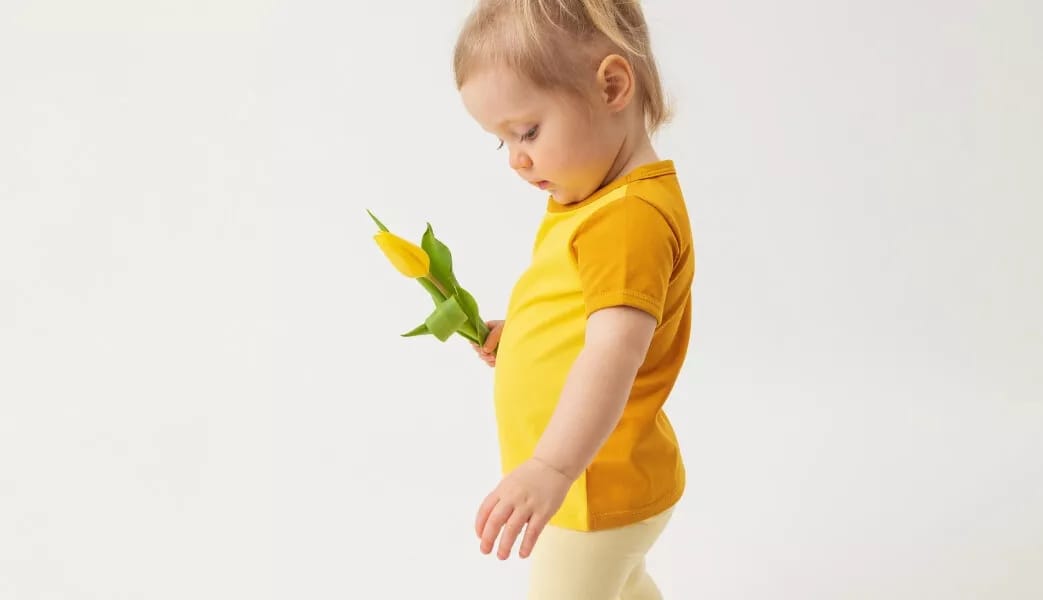
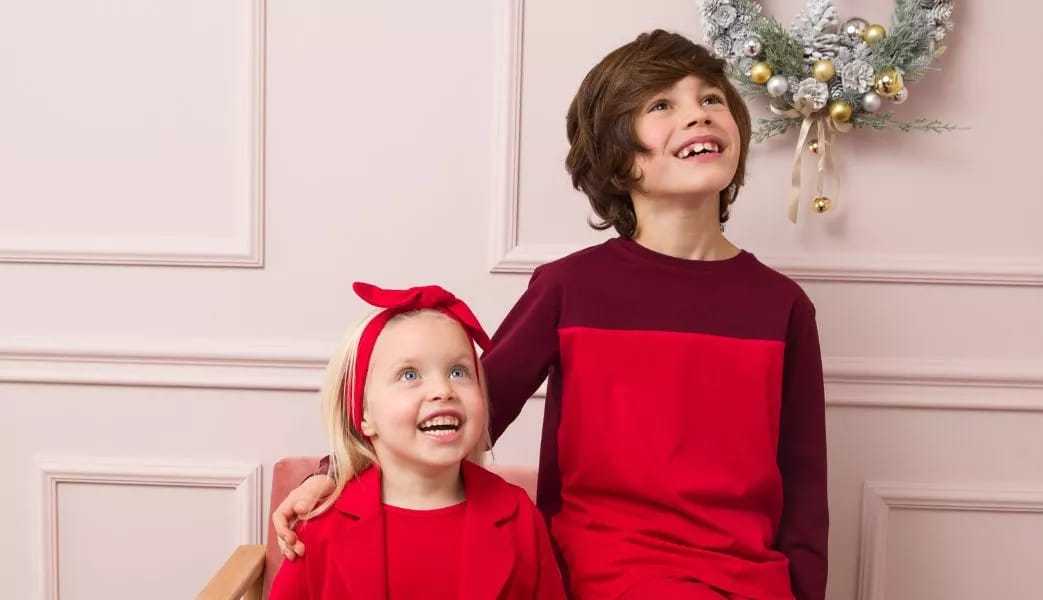
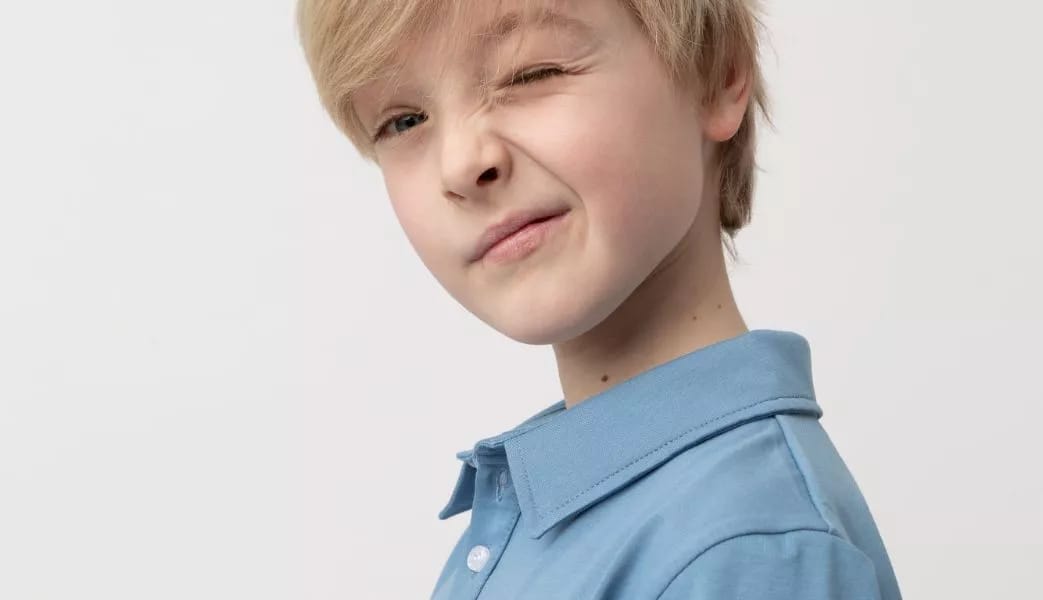
Colours in the wardrobe can work wonders – just appear in a bright jacket in winter. What's under the jacket matters just as much, when a colourful sweatshirt or dress accompanies little ones at school or nursery. Sweatpants in an energetic red shade, or maybe a green version, the colour that eases conflicts and increases sensitivity to others' problems? A long-sleeve dress as yellow as the sun will make memorising a bit easier, while also being a remedy for fatigue and stress. And if your children prefer muted colours like navy blue, an ally of concentration, try slipping in socks in juicy colours or adding, for example, two-tone neck warmers and hats.
Turquoise leggings will help ease mental tension, increasing sensitivity and creativity. Meanwhile, a violet vest will have a positive effect on the nervous system and hormone levels. A white blouse will support balance in the body and help maintain calm, and on top of that will stimulate the immune system to work. Or maybe an orange sweatshirt for a walk after dinner? It will mobilise the body to action and improve digestion. The psychology of clothing colours is not a new field, yet not everyone still takes advantage of the properties their own clothes' colours give them.
Colours on the plate - colours and psychology, the impact of food colours on wellbeing
Dishes composed with colour in mind aren't just a joy for the eyes, but also important signals for a child's brain. Besides orange – which stimulates digestion – we can also, for example, make sure there are plenty of green vegetables in the food. Vegetables and fruit have amazing shades, and that's an excellent starting point for serving them to children in meals. Tableware colours also offer scope for creativity – a classic white plate will stimulate the immune system, while turquoise-coloured cups will increase sensitivity and creativity. As you can see, colours in psychology play a role in every area of our lives, and can be used to children's benefit. It's nothing difficult.
Enjoy your meal
Let's remember the beneficial effects of colours, but also that it's worth using the wide range of possibilities they give us!
Other posts from this category
.jpg)

Get EUR 10 off your order over EUR 100
By clicking „Sign up” I voluntarily agree to subscribe to the newsletter in order to receive marketing information, including promotions, discount codes, and the latest MyBasic products. I understand that I can withdraw my consent at any time. The controller of your personal data is MyBasic Sp. z o.o., ul. Rzędziana 11, 05-080 Izabelin B, KRS: 0000776465, NIP: 1182190916, REGON: 382808588, BDO: 000540511.