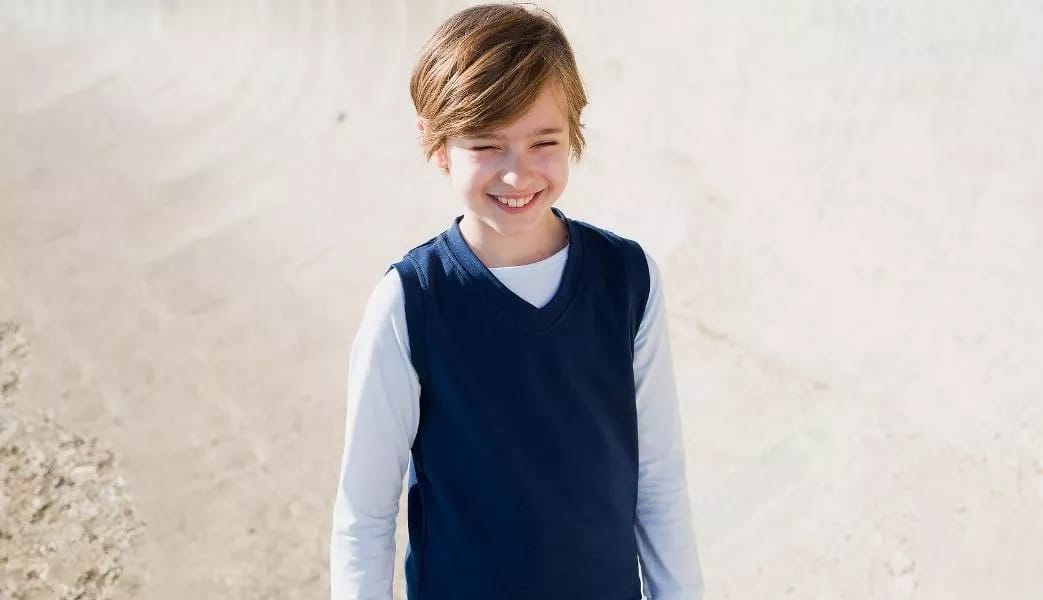
Today's topic is close to parents' hearts, namely how to care for your child's clothes. I'm sure you're already doing your best, but it's worth refreshing your knowledge from time to time so you don't forget anything. But first, a short introduction to give you a glimpse behind the scenes of MyBasic.eu…
Why cotton
Cotton is one of the most popular natural, plant-based textile materials. And most importantly – it has many advantages! Which ones? It's resistant to high ambient temperatures and to stretching. It has high hygroscopicity, which means it absorbs moisture well. It's also durable, breathable and retains heat – thicker fabric keeps you warmer, while thinner fabric cools you down nicely. It's pleasant and soft to the touch, and easy to wash and keep clean. Also remember the distinction between woven fabrics and knitted fabrics. Put simply, woven fabrics are woven, while knits are knitted. These two categories differ in the method of interlacing the threads. T-shirts, which we wear every day, are made from knitted fabric, while stiffer shirts worn for special occasions are made from woven fabric. Meanwhile, the addition of elastane makes the material gently stretchy, so the garment keeps its shape.
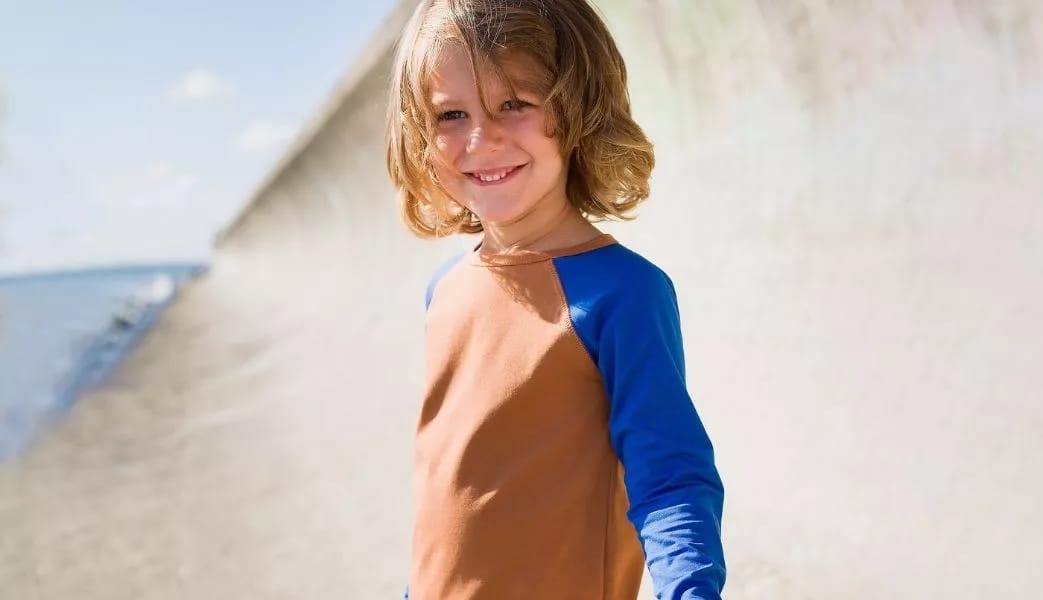
And what about MyBasic clothes?
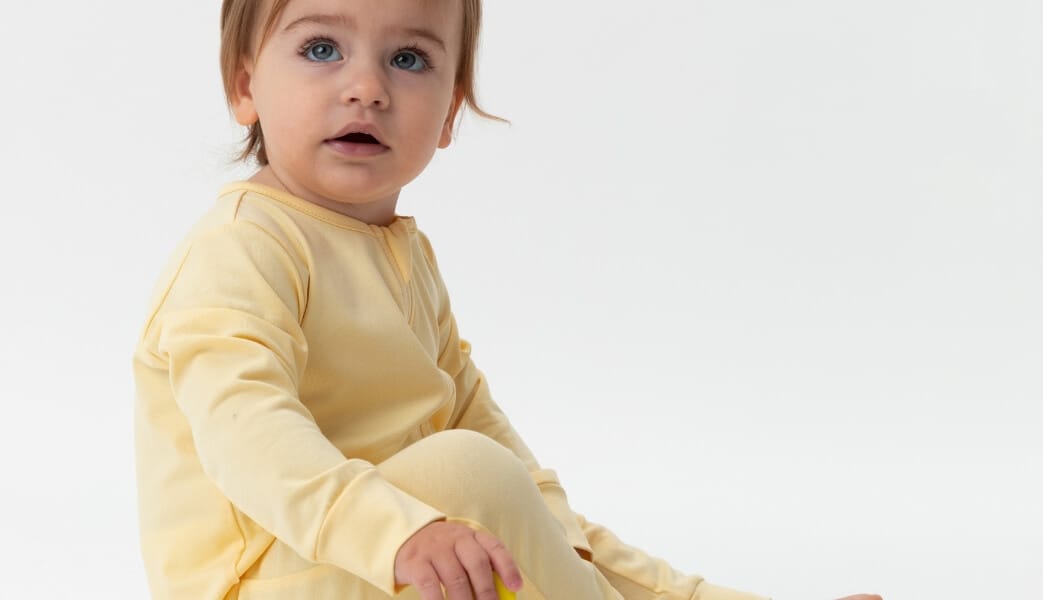
As you know, our clothes are produced from Polish knitted fabrics. We sew using the highest quality certified cotton knit, which holds the Oeko-Tex Standard 100 certificate. It's the world's leading safety label for textile products. Materials awarded this label are free from harmful substances at concentrations that could negatively affect human health.
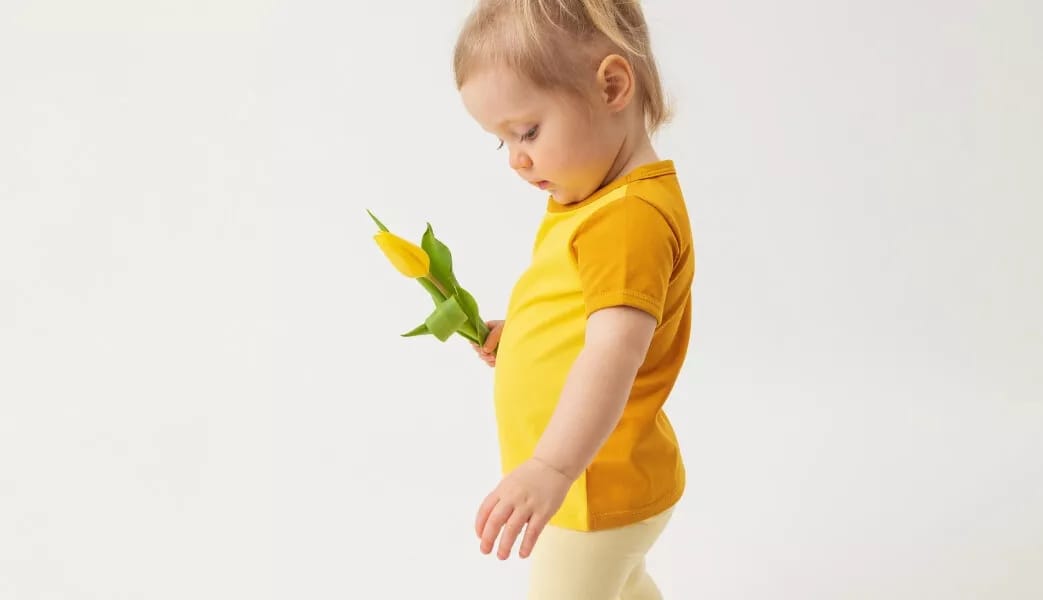
In addition, the knitted fabrics used to make our clothes hold the "Friendly to People" and "Safe for Children" certificates. This means they meet all requirements for textile products, have the appropriate raw material composition, and are properly manufactured. Above all, they guarantee that they are safe for children and ensure comfortable wear! The composition of most of our clothes is 95% cotton and – for greater ease of putting on and wearing – 5% elastane. Our offer includes two types of knit: single jersey, from which we make T-shirts, leggings, dresses or bodysuits and sweatshirt knit, used for sewing sweatshirts and sweatpants.
The weight of the materials we use ranges – depending on the garment – from 160 to 300 gsm (grams per square metre). In production, we also use the safest YKK zips for children and nickel-free press studs. All this to keep children safe and comfortable.
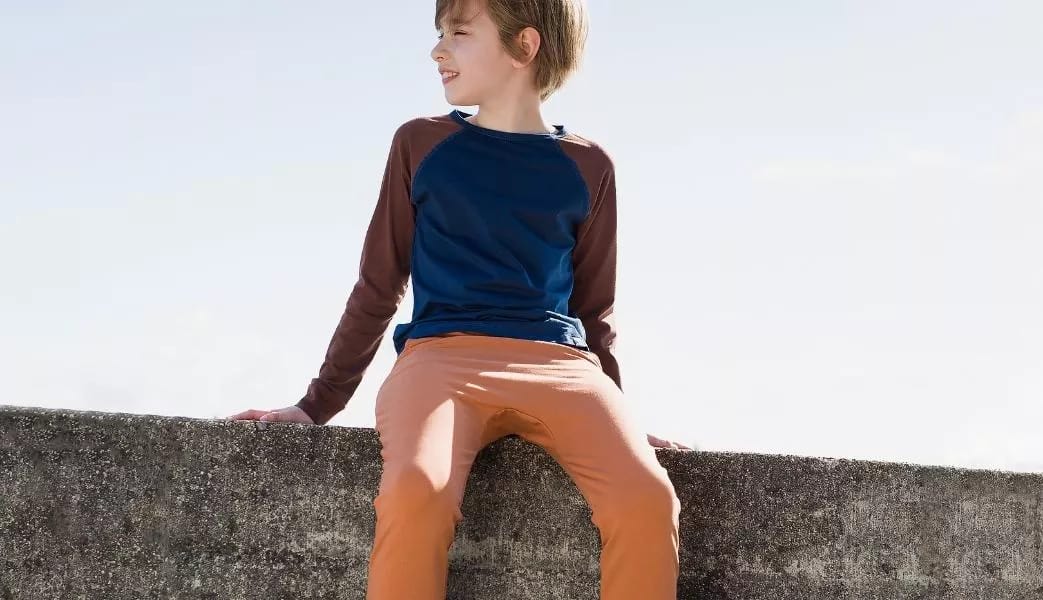
Now, getting to the heart of the matter – how do you care for clothes so they last as long as possible? Just follow a few simple tips and your MyBasic.eu clothes won't lose their vibrant colours and will stay with you for a long time! Here they are:
- Washing machine – cotton items are best washed using a dedicated programme or the eco option. Remember that bad habits when washing clothes in the machine can damage the appliance, increase electricity and water bills, and ruin your clothing. Spin at a maximum of 600-800 rpm. It's worth washing clothes inside out, which also helps protect the colour from rubbing against other garments during washing.
- Temperature – this is one of the most important factors in caring for clothes! For lighter stains, wash at 30 degrees, which keeps whites from turning grey and keeps colours vivid for longer. Remember not to wash clothes at a temperature higher than 40 degrees! Immersion in very warm or hot water can cause colours to fade.
- Preparing clothes for washing – the basis is, of course, sorting by colour. Whites should only be washed with other whites; sort the rest into groups of similar colours (e.g. pink, red and orange can be washed together). Colour-catching laundry sheets are a great invention – thanks to them, even if one more vivid colour appears in the wash, there's no need to worry that the garment will lose its original shade. Also remember to fasten press studs and buttons, and zip up zips – all of this helps keep clothes in the best possible condition.
- Stains – try to remove them as soon as possible after they occur, so they don't penetrate too deeply into the fibres. Don't rub the garment hard at the stained spot, as this can cause fading in that area. For tougher stains, you can apply a stain remover locally, but don't leave it on the stain for more than a few minutes! After that, put the garment in the washing machine and wash it on a normal cycle. Remember not to soak clothes in any chemical agents. If you use bleach, remember that it's a very strong detergent, which will damage clothes if used in excess. It shouldn't be overused, especially on stretchy natural-fibre materials. Using bleach on coloured clothes is absolutely forbidden.
- Drying – coloured clothes must not be dried in full sun, as this risks fading them. If you want to dry them outdoors, remember to place the drying rack in a shaded spot and hang the clothes inside out. Cotton clothes also don't do well in a tumble dryer, as it can damage the fibres of the cotton knit. Without such drying, they'll stay beautiful and vividly coloured for longer. However, if you do decide to tumble dry, choose the gentlest programme, ideally one designed for that type of fabric, and remember that the garment may shrink by an additional 5%.
- Ironing – follow the recommended temperature and ironing method; for example, some materials – including cotton knit – are best ironed inside out. This helps maintain the best quality of the material. Iron our clothes at a maximum temperature of 150°C.
- Hand washing – of course, you can also wash our clothes by hand. You just need to follow the recommendations regarding temperature and detergents.
Also remember that even with all the above precautions, garments made from natural materials may shrink by around 5%* on their first wash. This is a completely natural process! So take this fabric characteristic into account when choosing the right size for your child's clothes. The clothing size charts on our website show the dimensions of a new, unworn garment. To ensure clothes last as long as possible, use good-quality, tried-and-tested chemical products.
* Standard PN-P-84004:2003 – Textiles — Knitted fabrics and knitted products — Dimensional change values after washing:
The natural shrinkage of cotton according to the Polish standard PN-P-84004: 2003 is 6%. Every product labelled "100% cotton" shrinks during washing. Unfortunately, due to a lack of knowledge about the material's properties, we're often surprised by how it behaves.
Other posts from this category
.jpg)


Get EUR 10 off your order over EUR 100
By clicking „Sign up” I voluntarily agree to subscribe to the newsletter in order to receive marketing information, including promotions, discount codes, and the latest MyBasic products. I understand that I can withdraw my consent at any time. The controller of your personal data is MyBasic Sp. z o.o., ul. Rzędziana 11, 05-080 Izabelin B, KRS: 0000776465, NIP: 1182190916, REGON: 382808588, BDO: 000540511.